If your dog growls when I wake him up, it is rarely a sign of aggression. In most cases, it is caused by the Sleep Startle Reflex—an involuntary neurological reaction where a dog wakes up disoriented and defensive. In senior dogs, this reaction is often worsened by joint pain, vision/hearing loss, or cognitive decline. Never punish a dog for sleep growling. Instead, wake them up safely using your voice from a distance or the scent of a treat before touching them.
It can be incredibly hurtful and terrifying when your typically affectionate dog suddenly snarls, snaps, or growls when you try to pet them while they are sleeping. Many owners immediately worry that their dog is becoming aggressive.
But take a deep breath: your dog isn’t turning mean. When a dog growls upon waking, they are usually operating on pure instinct. Let’s break down the science behind why this happens and, more importantly, how you can manage it safely—especially if your furry friend is entering their golden years.
Contents
The Main Culprit: The “Sleep Startle” Reflex
When a dog falls into deep REM (Rapid Eye Movement) sleep, their brain is highly active, but their body is temporarily paralyzed to keep them from acting out their dreams.
If you suddenly touch, move, or bump into a dog during this deep sleep stage, their brain doesn’t have time to process who you are. The sleep startle reflex kicks in. It is an involuntary survival mechanism. The dog wakes up disoriented, feeling vulnerable, and their immediate reaction is to say, “Stay away, I’m defending myself!”
Once they fully wake up and realize it’s just you, they often look confused or even apologetic. This reflex is normal, but it can become more pronounced as dogs age.
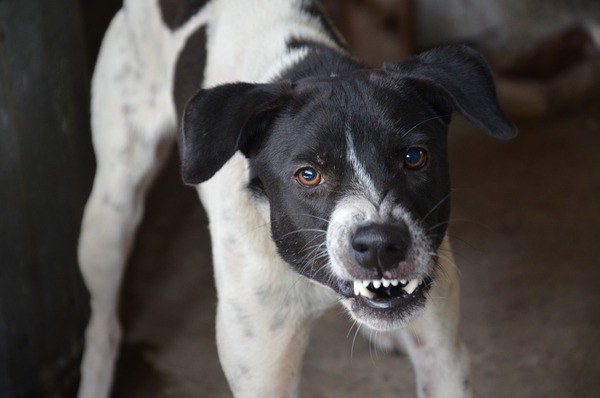
Why Is It Happening Now? (Special Focus on Senior Dogs)
If your older dog has never done this before but suddenly starts growling when woken up, it’s a major red flag that their physical or mental health is changing. Here are the top three reasons:
1. Sensory Decline (Hearing or Vision Loss)
As dogs age, their senses dull. A younger dog might hear your footsteps approaching their bed and wake up gradually. A senior dog with hearing loss won’t know you are there until your hand is physically on them. This sudden touch is a massive shock to their system, triggering an immediate defensive growl.
2. Hidden Joint Pain and Arthritis
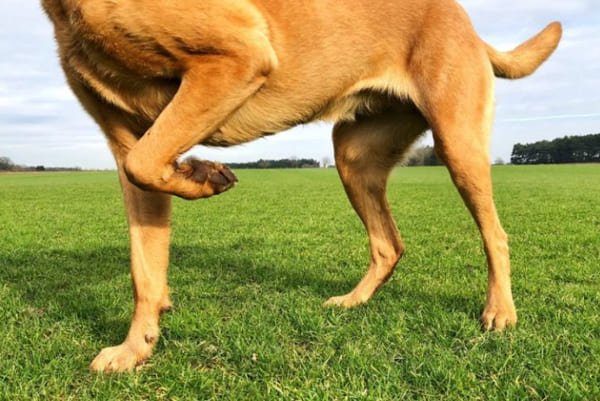
Imagine sleeping with a terrible backache and someone suddenly jolts you awake—it hurts! Senior dogs suffering from osteoarthritis are often stiff and sore after resting. Being touched unexpectedly can cause a spike in pain. If you notice your dog is generally restless or if your [dog keeps laying down then getting up] because they can’t get comfortable, underlying joint pain is likely the cause of their sleep grumpiness.
👉 Note: If you suspect pain, it’s crucial to consult your vet. You can also read more about canine pain management from the [American College of Veterinary Surgeons (ACVS)]
3. Canine Cognitive Dysfunction (Dog Dementia)
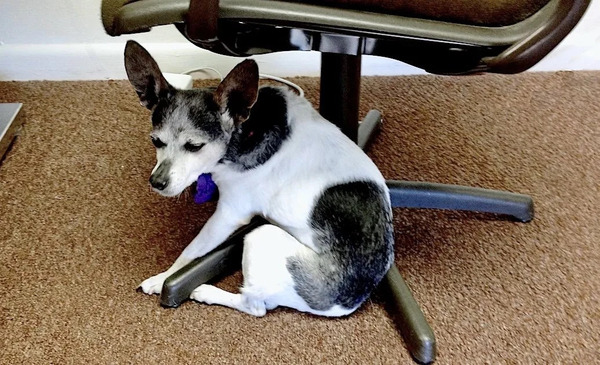
Just like humans with Alzheimer’s, older dogs can suffer from cognitive decline. This alters their sleep-wake cycle and makes them easily confused. A dog with dementia might wake up and genuinely not recognize their surroundings or even you for a few crucial seconds. This disorientation often leads to behavioral changes, particularly at night. If your [senior dog is up all night] pacing or panting, cognitive issues are a strong possibility.
How to Wake a Sleeping Dog Safely
The golden rule of dog behavior applies here: Let sleeping dogs lie. However, if you absolutely must wake them up (to go outside or move them), follow these vet-approved steps to prevent a bite:
- Never Use Your Hands First: Do not lean over them, pet their head, or shake them awake.
- Use Your Voice: Stand a few feet away and say their name softly. Gradually increase your volume until they open their eyes.
- The “Treat Toss” Method: If they are deaf or hard of hearing, drop a high-value, smelly treat near their nose. Let the scent wake them up pleasantly.
- Create a Safe Sleeping Zone: Give your dog a designated orthopedic bed in a quiet corner where they won’t be accidentally tripped over or bumped by kids and other pets.
If the sleep aggression is new, severe, or paired with other odd behaviors, schedule a vet visit to rule out medical issues before consulting a positive-reinforcement dog trainer.
Frequently Asked Questions (FAQ)
Should I punish my dog for growling when I wake him up?
No, absolutely not. Growling upon waking is an involuntary neurological response known as the sleep startle reflex. Punishing them will only make them more anxious about sleeping near you and could escalate the growling into a bite.
Why does my senior dog suddenly have sleep startle?
If a senior dog suddenly develops sleep startle, it is usually linked to medical changes. The most common causes are hearing or vision loss (they don’t sense you approaching), joint pain (waking up suddenly hurts), or cognitive dysfunction (dementia causing confusion).
How do you wake up a deaf dog without scaring them?
To wake a deaf dog safely, avoid touching them. Instead, place a strong-smelling treat near their nose to let their sense of smell wake them. Alternatively, you can gently tap the floor near their bed so they feel the vibrations before you approach.

Bol Dang is a lifelong pet lover and the founder of Silver Whiskers Care. After navigating the challenges of caring for his own aging dogs, he dedicated this platform to sharing practical, research-backed advice to help other pet parents improve their senior companions’ quality of life. His mission is to ensure every “silver whisker” spends their golden years in comfort and joy.