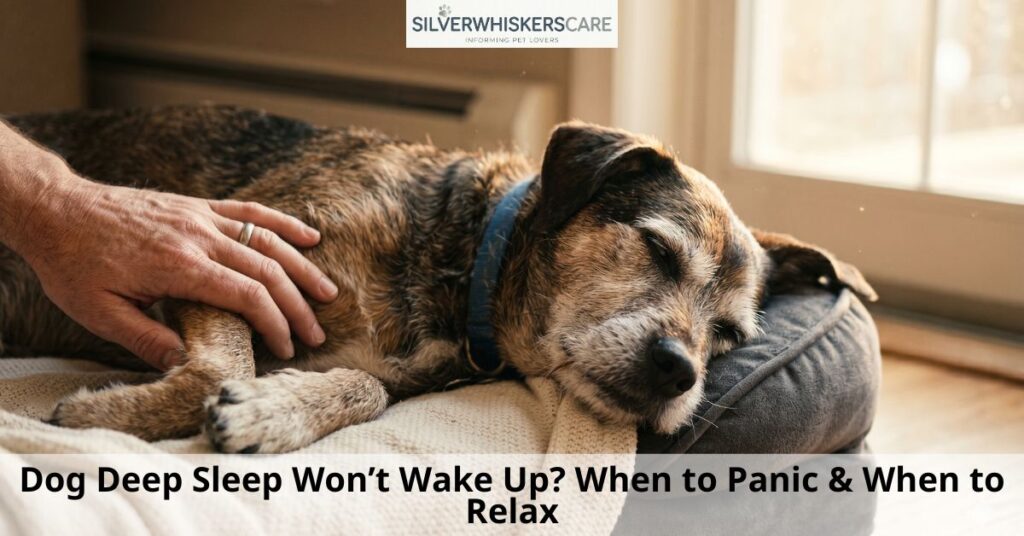
There is a specific, heart-stopping moment every senior dog owner dreads. You walk past your dog’s bed, call their name, and get zero response. You call louder. Nothing. Their chest is barely moving. Panic sets in as you realize your dog is in a deep sleep and won’t wake up.
Before you rush to the emergency vet, take a deep breath. While a completely unresponsive dog can be a medical emergency, in senior dogs, extreme deep sleep is often linked to the natural aging process, hearing loss, or profound exhaustion.
In this guide, we will help you determine if your dog is experiencing a medical crisis or simply enjoying the deepest nap of their life, and how to safely wake a senior dog without scaring them.
Contents
10-Second Emergency Check: Is it Sleep or Syncope?
If you cannot wake your dog, you must first rule out a medical emergency like syncope (fainting), a seizure, or a cardiac event. Vets recommend doing a quick, hands-on assessment.
Do not shake them. Instead, gently perform these checks:
- Check their breathing: Place your hand very gently in front of their nose to feel for air, or watch the rise and fall of their ribs. Deep sleep breathing is slow but rhythmic.
- Check their gums: Gently lift their lip. Their gums should be a healthy pink. If they are pale white, blue, or grey, call your vet immediately. You can learn more about how to properly perform a canine home physical exam and check vitals from VCA Animal Hospitals.
- The “Treat Test”: Place a highly fragrant treat (like a piece of hot dog or cheese) right beneath their nose. A sleeping dog’s olfactory senses usually remain active, and a healthy sleeper will twitch their nose or wake up.
If their vitals are normal and they slowly rouse looking groggy and confused, they were simply in a very deep stage of sleep. But why are they sleeping so heavily now?
Hidden Reasons Your Senior Dog Sleeps Like a Rock
If you have ruled out an emergency, here are the most common reasons your older dog is suddenly impossible to wake up.
1. Age-Related Hearing Loss in dogs (The Most Common Cause)
Many owners panic thinking their dog is unresponsive, only to realize their dog has simply gone deaf. As dogs age, the tiny hair cells in their inner ear degrade. If your dog doesn’t react to the doorbell, you calling their name, or your footsteps, but wakes up immediately when you gently touch them, they aren’t in a coma—they just couldn’t hear you.

2. Medication Side Effects
Is your senior dog taking medication for osteoarthritis? Many common pain relievers and nerve medications (like Gabapentin) prescribed for joint issues have sedative effects. These medications can push your dog into an incredibly deep, lethargic sleep, especially during the first few weeks of use.
3. Canine Cognitive Dysfunction (CCD)
Also known as dog dementia, CCD disrupts a dog’s normal sleep-wake cycle. A dog with dementia might pace the halls anxiously all night. By the time the sun comes up, they are physically and mentally depleted, crashing into a deep sleep that is incredibly difficult to wake them from.
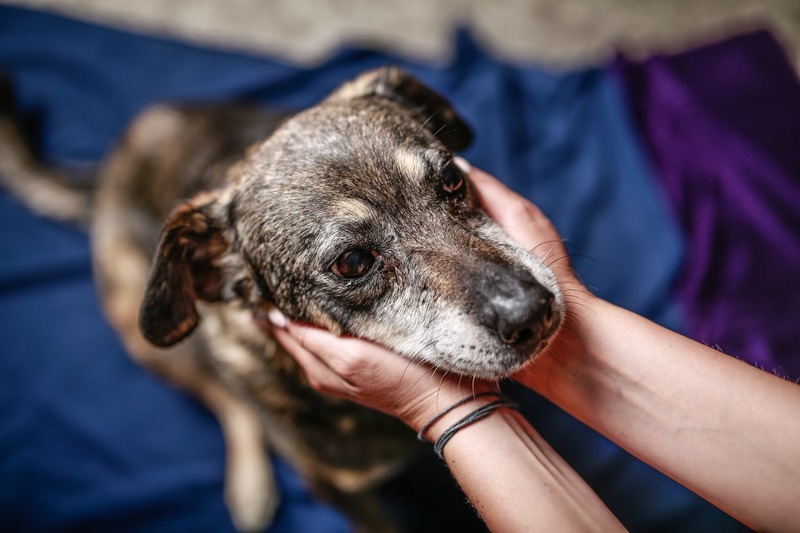
4. They Are Just That Comfortable
Sometimes, it’s just a behavioral quirk! If you’ve recently upgraded them to a premium, warm orthopedic bed, or if they had a surprisingly active day at the park, they might just be exhausted. Just like us, dogs need uninterrupted REM sleep to heal their aging bodies. If they feel completely safe, they will shut out the world.
The Danger of Waking a Deeply Sleeping Dog
If you determine your dog is just sleeping heavily (especially if they are hard of hearing), how you wake them is crucial.
Startling a senior dog out of a deep sleep can trigger a Sleep Startle Reflex. When suddenly awoken, a disoriented dog may panic, snap, or bite in self-defense before they even realize it’s you.
How to wake them safely:
- Stomp the floor: If they are losing their hearing, the vibrations of a heavy footstep near their bed will gently alert them.
- Use scent: Bring their food bowl or a smelly treat near their nose.
- Gentle touch: If you must touch them, gently stroke their back or shoulder (away from their face) and speak in a soft, soothing voice.
🔗 Related: Does your senior dog get aggressive when awoken? Read our complete guide to managing this behavior: Dog Growls When I Wake Him Up? The Truth About Sleep Startle
Conclusion
Finding that your dog in a deep sleep won’t wake up is terrifying. Always trust your gut—if their breathing is shallow or their gums are pale, seek emergency vet care. But more often than not, it’s simply a sign of their senior years catching up with them. Give them a safe, warm space to rest, accommodate their changing hearing, and let sleeping dogs lie whenever possible!

Bol Dang is a lifelong pet lover and the founder of Silver Whiskers Care. After navigating the challenges of caring for his own aging dogs, he dedicated this platform to sharing practical, research-backed advice to help other pet parents improve their senior companions’ quality of life. His mission is to ensure every “silver whisker” spends their golden years in comfort and joy.