
We’ve all been there: the alarm goes off, the coffee is brewing, and it’s time for the morning walk. But when you look over at your furry best friend, they are glued to their bed. They might give you a heavy sigh, hide their nose under their paws, or outright refuse to budge.
When your dog doesn’t want to get up in the morning, it leaves you wondering: Are they just being a stubborn sleepyhead, or is something physically wrong?
The truth is, as dogs transition into their senior years, their morning routines change drastically. In this guide, we will explore both the medical red flags and the harmless behavioral quirks behind your dog’s reluctance to rise, plus actionable ways to make their mornings brighter.
Contents
Rule Out the Red Flags First
Before we assume your dog is just “not a morning person,” we must rule out hidden pain. Dogs are notoriously stoic, but mornings are usually when pain is most visible.
If your dog displays any of the following symptoms when you try to wake them, do not force them up and consult your vet:
- Yelping or Whimpering: If they cry out when you touch them or when they try to shift their weight. (This often indicates an acute issue like a spinal slip or IVDD).
- Severe Shaking or Panting: While lying down, which are classic signs of stress or pain.
- Limping that Doesn’t Go Away: It’s normal for an old dog to be slightly stiff for the first few steps, but if they are completely unable to bear weight on a leg after 5 minutes, it requires medical attention.
If your dog is simply giving you the “five more minutes, please” look without signs of acute distress, let’s look at the common causes.
Medical Reasons for Morning Reluctance
If your senior dog used to jump out of bed but now hesitates, aging joints are the usual suspects.
1. Morning Joint Stiffness (Osteoarthritis)
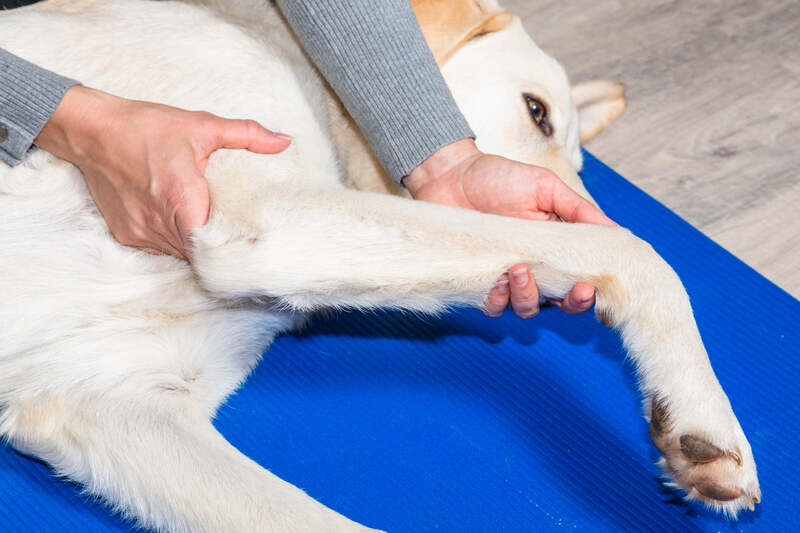
Just like humans, senior dogs suffer from arthritis. While they sleep, the synovial fluid that lubricates their joints cools down and thickens. When they try to stand up after 8-10 hours of inactivity, it feels like trying to bend a rusty hinge. This morning stiffness makes getting up physically uncomfortable.
🔗 Related: Want to spot the hidden signs of joint degradation? Read our guide on the 7 Early Signs of Arthritis in Dogs You Shouldn’t Ignore.
2. Canine Cognitive Dysfunction (Dog Dementia)
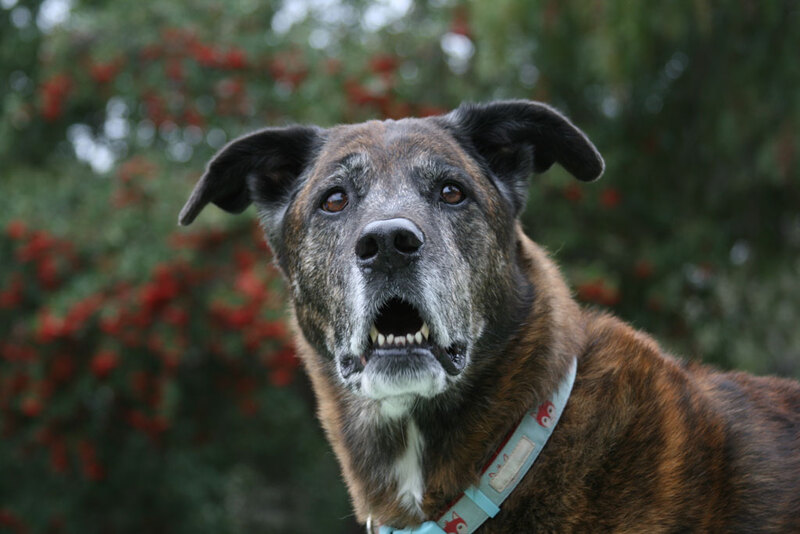
Also known as CCD, dementia affects a dog’s sleep-wake cycle. They might pace around the house all night feeling confused and anxious (a symptom known as “sundowning”). By the time morning rolls around, they are completely exhausted and simply need to catch up on the deep sleep they missed during the night.
Behavioral & Environmental Reasons
Sometimes, it’s not a medical issue at all. Many dog owners (especially on forums like Reddit) share hilarious stories of their dogs simply refusing to adult in the morning.
3. They Are Just “Not a Morning Dog”
Personality matters! While a young working breed might be ready to run a marathon at 5 AM, many companion breeds (like Basset Hounds, Bulldogs, or Greyhounds) and senior dogs simply prefer to sleep in. As dogs age, their energy levels naturally drop, and they require more sleep—up to 14-18 hours a day.
4. The Weather is Terrible
Dogs are incredibly intuitive when it comes to weather. If it’s raining, snowing, or unusually cold outside, your dog can hear and smell it from their cozy bed. Many dogs will actively choose to hold their bladder rather than step foot on wet, freezing grass.
5. Their Bed is Too Cozy (or Not Cozy Enough)
If your dog is sleeping on a cold, hard floor, their muscles will cramp up by morning, making them reluctant to move. Conversely, if you recently upgraded them to a premium orthopedic bed, they might just be so incredibly comfortable that they see no reason to leave!
How to Help Your Dog Start the Day Right
Whether your dog is stiff or just stubborn, you can tweak their routine to make mornings easier for both of you.
- Upgrade Their Sleeping Surface: A high-quality orthopedic memory foam bed is non-negotiable for senior dogs. It prevents pressure sores, supports their spine, and keeps their joints warm throughout the night, drastically reducing morning stiffness.
- Add a Joint Supplement: Introducing a vet-approved joint supplement containing Glucosamine, Chondroitin, and Omega-3s can naturally lubricate their joints, making that first morning stretch much less painful.
🔗 Read Next: Ready to upgrade their routine? Check out our top recommendations in our Best Joint Care for Older Dogs: Vet-Backed Guide.
- Use the “Warm-Up” Technique: Don’t force them out the door immediately. Spend 5 minutes gently massaging their legs and back while they are still in bed to get the blood flowing.
- Adjust Your Schedule: If your lifestyle allows, let sleeping dogs lie! If they prefer to wake up at 8 AM instead of 6 AM, shifting their breakfast and first potty break can lead to a much happier, more cooperative pup.
Conclusion
A dog that doesn’t want to get up in the morning isn’t always a cause for panic. By observing their body language, ruling out signs of pain, and providing the right supportive gear, you can ensure their golden years are filled with peaceful slumbers and comfortable, happy mornings.

Bol Dang is a lifelong pet lover and the founder of Silver Whiskers Care. After navigating the challenges of caring for his own aging dogs, he dedicated this platform to sharing practical, research-backed advice to help other pet parents improve their senior companions’ quality of life. His mission is to ensure every “silver whisker” spends their golden years in comfort and joy.