You’re fast asleep when you’re suddenly awakened by a rhythmic, heavy sound. You look down and see your senior dog staring into the dark, breathing heavily. When an old dog pants at night without any physical exertion, it’s a clear sign that something is disrupting their peace.
If your older dog is also pacing the hallways or whining, you are dealing with an old dog unsettled at night. While young dogs pant to cool down after a run, nighttime panting in senior dogs is almost always a symptom of an underlying issue—ranging from manageable joint pain to cognitive decline.
In this guide, we’ll explore exactly why your senior dog is restless, when you need to call the vet, and how to bring quiet, peaceful nights back to your home.
Contents
1. Pain and Discomfort (The Silent Culprit)
Dogs are incredibly stoic creatures, but the quiet of the night amplifies pain. If your dog suffers from osteoarthritis or joint degradation, lying in one position for too long causes their joints to stiffen and ache.
Panting is a dog’s natural response to pain and stress. If they are constantly shifting positions, struggling to find a comfortable spot, and panting heavily, their bed might not be providing enough support for their aging body.

2. Canine Cognitive Dysfunction (Sundowning)
Just like humans can develop Alzheimer’s, senior dogs can develop Canine Cognitive Dysfunction (CCD). One of the hallmark symptoms of CCD is a disruption in the sleep-wake cycle, often referred to as “sundowning.”
When the sun goes down, a dog with dementia may become extremely confused and anxious. This anxiety manifests physically. If you have an old dog crying at night, staring blankly at walls, getting stuck in corners, and panting rapidly, cognitive decline is a highly likely cause.
3. Heart or Respiratory Issues
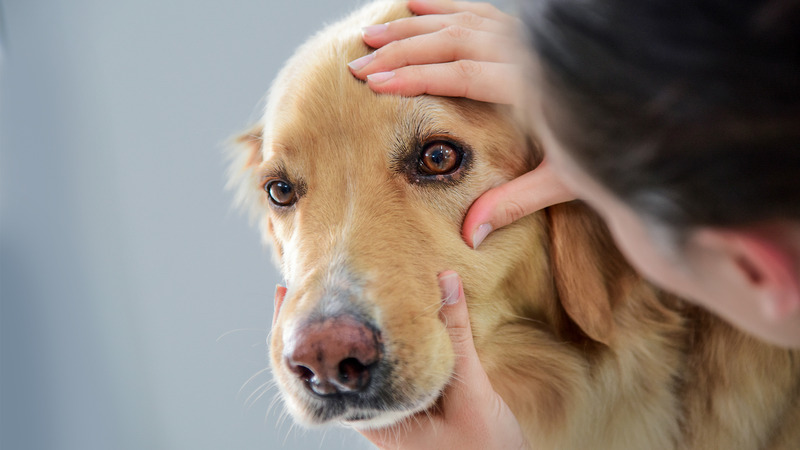
This is a serious medical red flag. As dogs age, their heart muscles can weaken, leading to conditions like Congestive Heart Failure (CHF). When a dog has a heart issue, fluid can build up in their lungs, making it incredibly difficult to breathe, especially when they lie down flat.
When to panic: If the panting sounds wet or raspy, if they are coughing, or if their gums look pale or bluish, this is a medical emergency. Do not wait until morning; contact an emergency vet immediately.
4. Inability to Regulate Body Temperature
As dogs age, their metabolism shifts, and their ability to regulate their core body temperature declines. Even if the room feels perfectly comfortable to you, your senior dog might be overheating. If they have a thick coat, or if they are sleeping on a heat-retaining blanket, they will pant to cool themselves down.
5. Medication Side Effects
Is your dog on a new prescription? Certain medications, particularly steroids (like Prednisone) prescribed for allergies or inflammation, are notorious for causing increased thirst and heavy panting. Pain medications can also cause slight disorientation, leading to an unsettled feeling at night.
How to Help Your Unsettled Senior Dog Sleep
If you have ruled out an immediate medical emergency (like heart failure), there are several actionable steps you can take to calm your old dog crying at night and stop the panting.
- Upgrade Their Sleeping Surface: Swap out flat, unsupportive beds for a high-quality orthopedic memory foam bed. This relieves pressure points on their joints, dramatically reducing pain-induced panting.
- Temperature Control: Keep the bedroom cool. Consider providing a cooling mat next to their regular bed so they have the option to switch surfaces if they get too hot.
- Consult Your Vet for Anxiety & Pain Relief: If CCD (dementia) or severe arthritis is the culprit, your vet can prescribe medications (like Gabapentin for nerve pain or specific supplements for cognitive support) to help them relax.
- Introduce Calming Supplements: Vet-approved CBD oil for dogs, melatonin, or calming chews containing L-Theanine and Chamomile can work wonders for nighttime anxiety and pacing.
Conclusion
An old dog pants at night because their body or mind is in distress. By closely observing their accompanying symptoms—whether it’s the confused pacing of dementia or the stiff movements of arthritis—you can identify the root cause. Always consult your veterinarian to rule out heart issues, and focus on upgrading their nighttime environment to ensure their golden years are filled with peaceful dreams.

Bol Dang is a lifelong pet lover and the founder of Silver Whiskers Care. After navigating the challenges of caring for his own aging dogs, he dedicated this platform to sharing practical, research-backed advice to help other pet parents improve their senior companions’ quality of life. His mission is to ensure every “silver whisker” spends their golden years in comfort and joy.