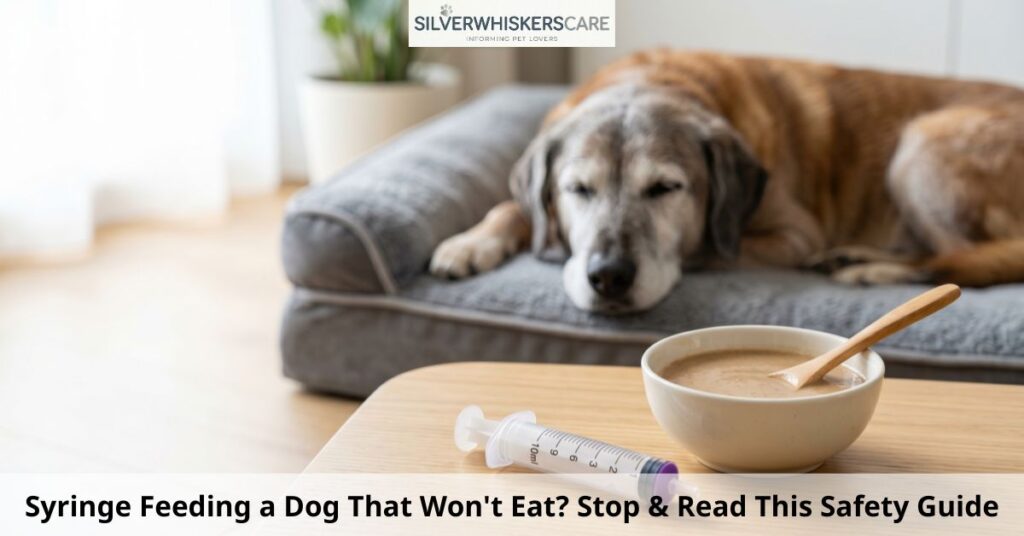
Watching your senior dog refuse food is incredibly stressful. When a dog completely stops eating due to severe illness, dental disease, or post-surgical recovery, your veterinarian might recommend assisted feeding.
However, syringe feeding a dog that won’t eat is not as simple as forcing food into their mouth. If done incorrectly, it can cause life-threatening aspiration pneumonia (inhaling food into the lungs). In this guide, we break down the exact, safe protocols used by veterinary critical care teams to help your dog get the nutrition they need without risking their health.
Contents
Essential Supplies You Will Need
Before you begin, ensure you have the correct tools. Using the wrong equipment increases the risk of choking.
- O-Ring Syringes (Feeding Syringes): Do not use syringes with needles. You need a 10ml to 35ml plastic or glass syringe with a wide tip (often called a catheter tip or feeding syringe).
- The Right Recovery Diet: Standard kibble will not work. You need a veterinary-prescribed critical care liquid diet (like Hill’s Prescription Diet a/d or Purina Pro Plan CN). Alternatively, a vet-approved bland diet (chicken and rice) must be blended with low-sodium bone broth until it reaches a smooth, soup-like consistency.
- Towels & Wipes: This process will get messy.
Step-by-Step: Syringe Feeding a Dog That Won’t Eat
According to emergency veterinary guidelines, positioning and pacing are the two most critical factors when syringe feeding a dog that won’t eat.
Step 1: The Proper Positioning
Never lay your dog on their back to feed them. This is a common and dangerous mistake. Your dog must be in a natural, upright resting position—either sitting up or resting on their chest (sternal recumbency) with their head held level.
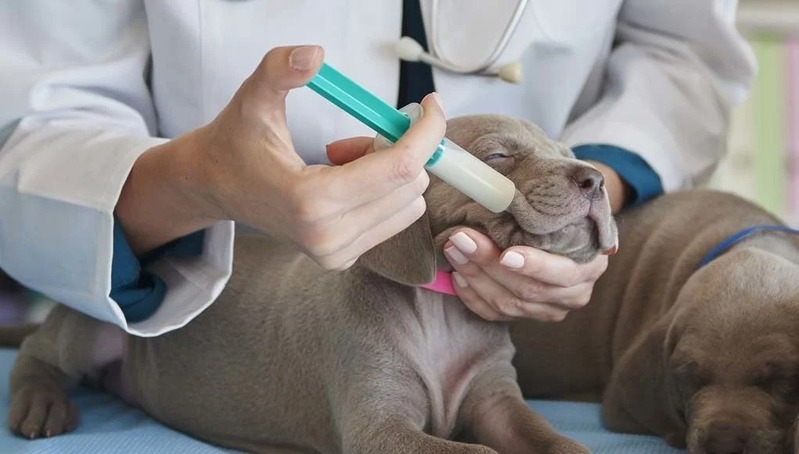
Step 2: The “Side of the Mouth” Technique
Do not point the syringe straight down the back of your dog’s throat.
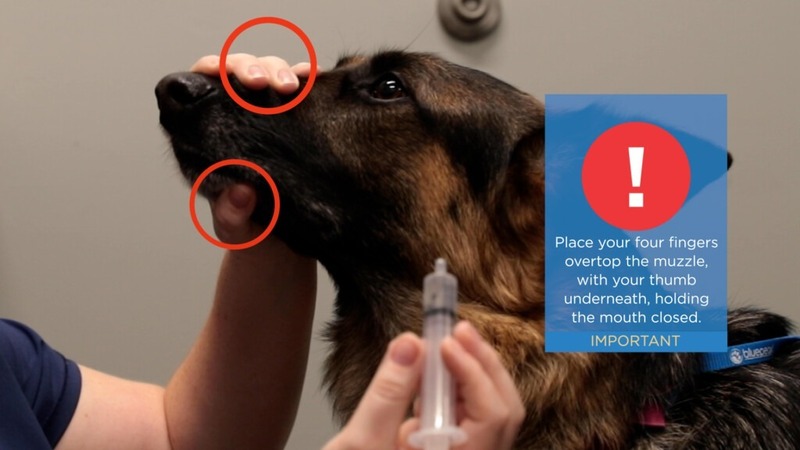
- Gently lift the lip on the side of your dog’s mouth, just behind their canine teeth. There is a natural gap between the teeth here.
- Insert the tip of the syringe into this side pouch (cheek pocket).
- Angle the syringe slightly toward the roof of their mouth or the opposite cheek—never directly toward the throat.
Step 3: Push Slowly and Wait for the Swallow
This is where patience is vital.
- Depress the plunger to release a very small amount of food (about 1 to 2 ml, or roughly a quarter teaspoon).
- Stop and wait. * Allow your dog to taste, chew, and swallow. You must visibly see them swallow before injecting more food. If they hold the food in their mouth or let it drool out, do not push more in.
The Biggest Danger: Aspiration Pneumonia
The primary reason veterinarians are cautious about owners syringe feeding a dog that won’t eat is the risk of aspiration. If you push the food too fast, or if the dog panics and inhales sharply, the liquid food can enter their windpipe and lungs instead of their stomach. This causes severe, often fatal, pneumonia.
Stop feeding immediately if you notice:
- Coughing, gagging, or choking.
- Food coming out of their nose.
- Struggling, panicking, or heavy panting.
- A gurgling sound when they breathe.
When to Stop and Call the Vet
Syringe feeding is a temporary bridge, not a long-term solution. If your dog violently resists the syringe, clamps their jaw shut, or spits out every attempt, do not force them.
Forcing a highly stressed dog to eat will only worsen their “food aversion” and increase the risk of aspiration. At this stage, your veterinarian needs to intervene. They may need to place a temporary feeding tube (such as a nasogastric or esophagostomy tube) to deliver nutrition directly to the stomach, bypassing the mouth entirely and ensuring safe, stress-free healing.
Frequently Asked Questions About Syringe Feeding
What kind of food is best for syringe feeding a dog?
You cannot use standard kibble. You must use a veterinary-prescribed critical care liquid diet (like Hill’s a/d or Purina CN). If at home, a bland mixture of boiled chicken, white rice, and low-sodium bone broth must be blended until it is completely smooth and can pass through a syringe easily.
Can syringe feeding cause my dog to choke?
Yes. The biggest risk of syringe feeding a dog that won’t eat is aspiration pneumonia (food entering the lungs). This happens if you push the food too fast, feed them while they are on their back, or shoot the liquid straight down their throat instead of into the side cheek pouch.
How much should I syringe feed my sick dog at one time?
Never rush the process. Depress the syringe to release only 1 to 2 ml of liquid food at a time. You must wait and visibly watch your dog swallow before introducing any more food into their mouth.
What if my dog fights the syringe and refuses to swallow?
Stop immediately. If your dog clamps their jaw, struggles violently, or lets the food drool out without swallowing, do not force them. Forcing a stressed dog significantly increases the risk of aspiration. Contact your vet to discuss alternatives like a temporary feeding tube.
Read more:
- Elderly Dog Vomiting After Eating? Causes, Red Flags & What to Do
- Elderly Dog Vomiting White Foam: Causes, Red Flags & What to Do
- Elderly Dog Vomiting and Diarrhea: Urgent Causes & Vet-Approved Care
- Dog Won’t Eat When It’s Hot? 3 Summer Red Flags to Watch
- Dog Not Eating After Being Sick: 4 Steps to Restore Appetite

Bol Dang is a lifelong pet lover and the founder of Silver Whiskers Care. After navigating the challenges of caring for his own aging dogs, he dedicated this platform to sharing practical, research-backed advice to help other pet parents improve their senior companions’ quality of life. His mission is to ensure every “silver whisker” spends their golden years in comfort and joy.