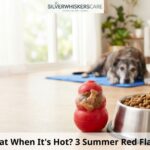
When the summer heatwave hits, you might notice your dog leaving their food bowl untouched. A dog won’t eat when it’s hot for the exact same reason humans prefer a light salad over a heavy stew on a 90-degree day: their biology is adjusting to the temperature.
While a drop in appetite during the summer is usually a normal, instinctual response, the combination of extreme heat and fasting can quickly become dangerous, especially for senior dogs.
In this vet-aligned guide, we will explain the science behind your dog’s summer fasting, how to spot the dangerous signs of heat exhaustion, and the best ways to safely encourage them to eat.
Contents
Why Do Dog Won’t Eat When It’s Hot in the Summer?
If your perfectly healthy dog suddenly becomes a picky eater in July, it is usually just biology at work.
Mammals naturally regulate their body temperature. In the winter, a dog’s body burns extra calories just to stay warm, which increases their appetite. In the summer heat, their metabolism slows down. They spend more time napping in the shade and less time running around. Because they are expending significantly less energy, their body naturally demands fewer calories.
Additionally, the physical act of digesting a heavy meal generates internal body heat. Your dog may be instinctively avoiding food during the hottest parts of the day to prevent themselves from overheating from the inside out.
The YMYL Red Flags: Is it the Heat, or Heatstroke?
A temporary drop in appetite is normal, but heat exhaustion is a life-threatening veterinary emergency. Because senior dogs cannot regulate their body temperature as efficiently as puppies, you must watch them closely.
If your dog won’t eat when it’s hot, look for these severe warning signs:
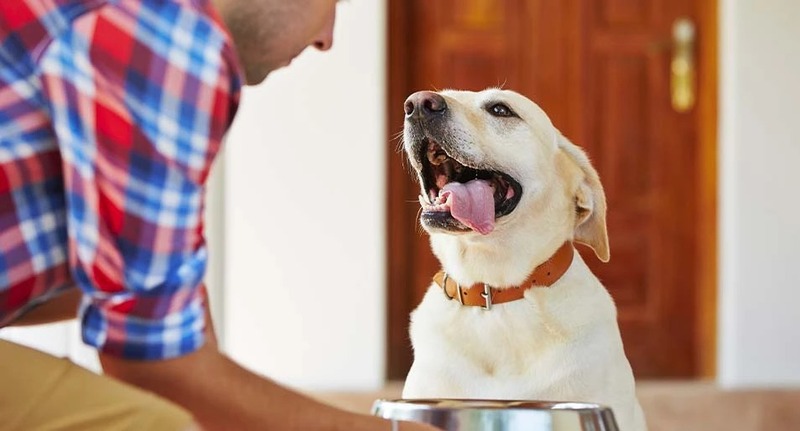
- Excessive, Uncontrollable Panting: Their tongue is fully extended, and they cannot seem to catch their breath.
- Thick, Sticky Drool: A sign of severe dehydration.
- Lethargy: They are unable to stand up, or they seem confused and wobbly.
- Vomiting or Diarrhea: This accelerates dehydration rapidly.
- Refusing Water: A dog that skips a meal is okay; a dog that refuses to drink water in the heat is in immediate danger.
If you notice any of these signs, immediately move your dog to an air-conditioned room, apply cool (not ice-cold) towels to their paws, and contact an emergency veterinarian.
4 Vet-Approved Ways to Feed Your Dog in the Heat
If your dog is perfectly healthy, drinking water, and just feeling a bit sluggish from the sun, you can use these simple tricks to safely boost their appetite:
1. Change the Feeding Schedule
Do not force your dog to eat a heavy meal at 1:00 PM when the sun is glaring. Shift their feeding schedule to the coolest parts of the day. Offer breakfast very early in the morning before the sun heats up the house, and serve dinner late in the evening after the sun has set.
2. Add Moisture and Cool It Down
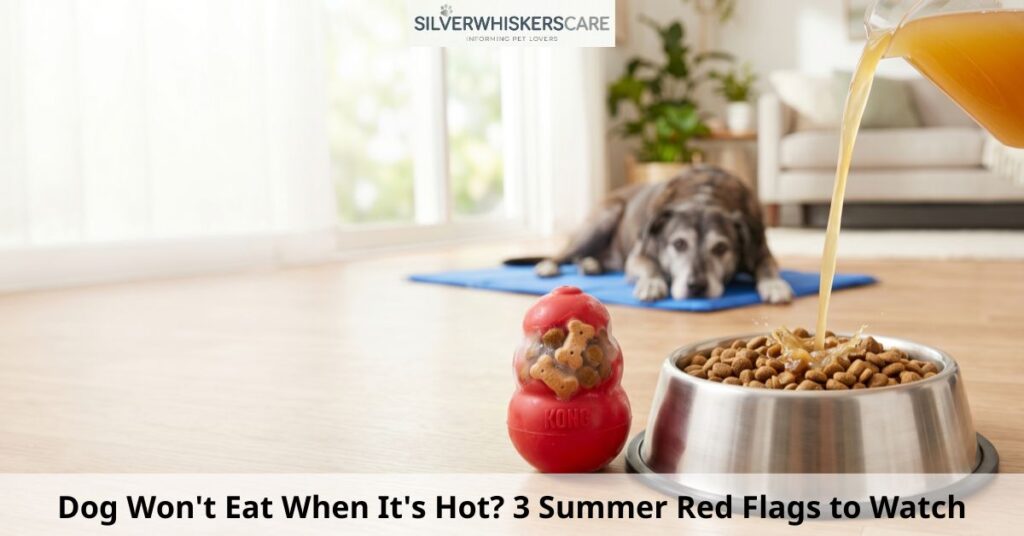
Dry kibble is unappealing in a heatwave. Add a generous splash of cool water or dog-safe, unseasoned bone broth to their bowl. This not only makes the food smell better but also sneaks essential hydration into their diet.
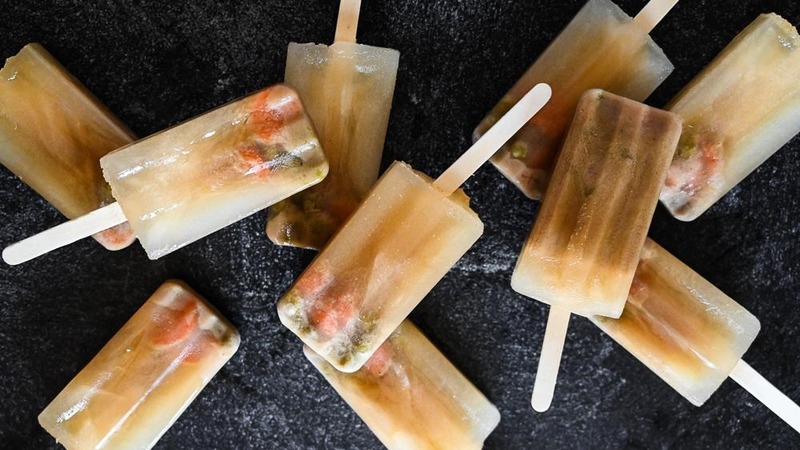
3. Make Frozen “Pupsicles”
Turn mealtime into a cooling activity. You can stuff their daily kibble ration into a Kong toy, seal it with a little bit of dog-safe peanut butter or plain yogurt, and freeze it.
4. Feed Smaller, Lighter Meals
Instead of two large, heavy meals that generate a lot of internal digestive heat, try splitting their daily food allowance into three or four smaller portions spread throughout the day.
Final thought: Don’t panic if your dog leaves a few kibbles behind during a heatwave. Keep them cool, keep their water bowl full, and adjust their routine to match the season.
Frequently Asked Questions About Summer Appetite Loss
Why does my dog eat less during the summer?
Dogs naturally burn fewer calories when it is hot because they are not expending energy to stay warm. Their metabolism slows down, and they spend more time resting, which naturally reduces their overall appetite.
Is it normal for a senior dog to skip meals in a heatwave?
Yes, it is common for dogs to skip a heavy meal during the hottest parts of the day. A healthy adult can skip a meal safely, but senior dogs should be monitored closely. If an older dog refuses food for more than 24 hours, consult your veterinarian. Crucially, they must never stop drinking water.
What are the signs of heatstroke in a dog that refuses to eat?
If your dog’s loss of appetite is accompanied by excessive and uncontrollable panting, thick or sticky drool, severe lethargy, vomiting, or a refusal to drink water, it is not just picky eating—it is a life-threatening medical emergency.
What should I feed my dog when it’s too hot to eat?
To encourage eating, shift their meal times to the cooler early morning or late evening hours. You can also add cool, unseasoned bone broth to their kibble for extra hydration, or create frozen “pupsicles” by stuffing their food into a Kong toy and freezing it.
Related Care Guide:
- Senior Dog Throwing Up Yellow Bile: Causes, Home Care & When to Worry
- Elderly Dog Vomiting After Eating? Causes, Red Flags & What to Do
- Elderly Dog Vomiting White Foam: Causes, Red Flags & What to Do
- Elderly Dog Vomiting and Diarrhea: Urgent Causes & Vet-Approved Care
- Dog Is Not Eating Anything What To Do, 3 Emergency Red Flags

Bol Dang is a lifelong pet lover and the founder of Silver Whiskers Care. After navigating the challenges of caring for his own aging dogs, he dedicated this platform to sharing practical, research-backed advice to help other pet parents improve their senior companions’ quality of life. His mission is to ensure every “silver whisker” spends their golden years in comfort and joy.