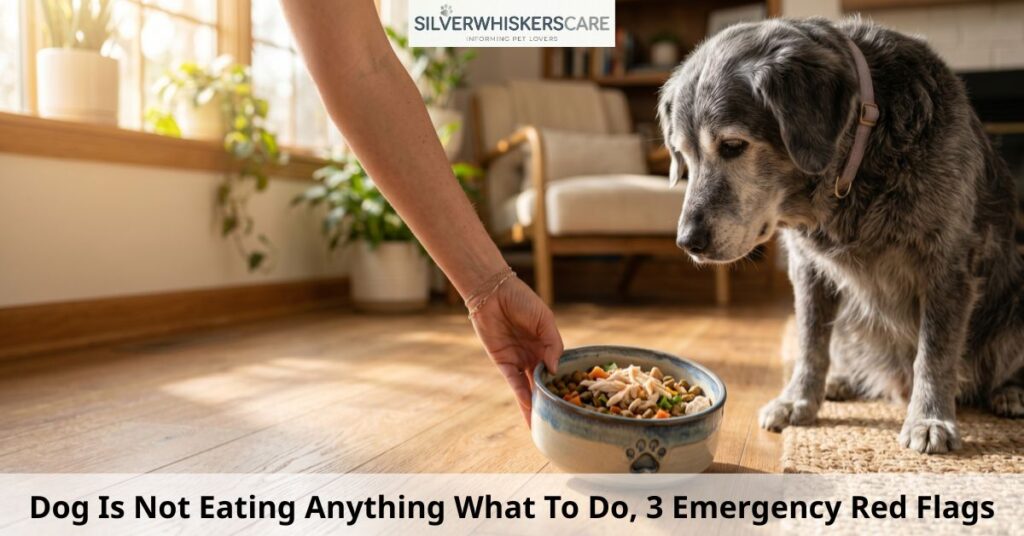
It is incredibly stressful when your dog suddenly refuses to eat. Whether they are turning their nose up at their favorite kibble or ignoring high-value treats, a loss of appetite (anorexia in dogs) is a clear signal that something is wrong. But is it a medical emergency, or is your dog simply holding out for table scraps?
In this vet-aligned guide, we will cut straight to the facts. We will explain exactly how long a dog can safely go without eating, the hidden medical and behavioral causes, and the safe, proven methods you can use at home to kickstart their appetite.
Contents
Step 1: Assess the Situation (Is it Medical or Behavioral?)
Before trying to coax your dog into eating, you need to determine why they are fasting. Vets generally divide a loss of appetite into two categories:
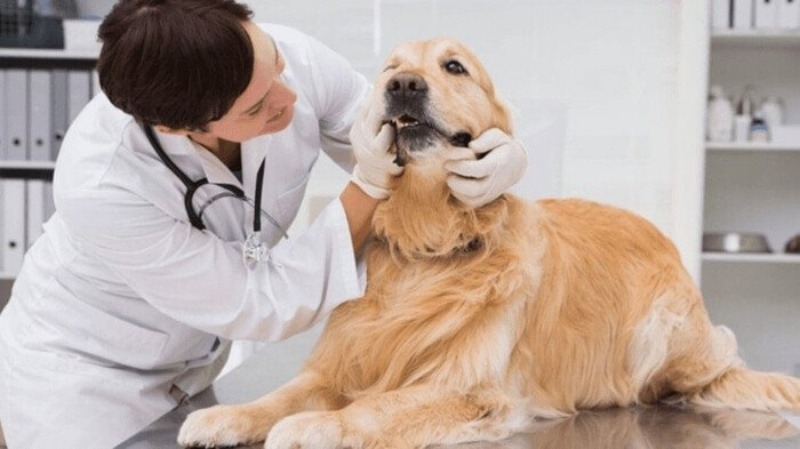
Medical Causes (Needs a Vet)
If a dog is feeling sick or in pain, their natural instinct is to stop eating to rest their digestive system. Common medical causes include:
- Dental Disease: A cracked tooth, swollen gums, or an oral tumor makes chewing kibble extremely painful. (Does your dog drop food out of their mouth?)
- Gastrointestinal Issues: Stomach ulcers, parasites, or swallowing a foreign object (like a toy or sock) that is causing a blockage.
- Systemic Illness: Kidney failure, liver disease, or severe infections often suppress the appetite entirely.
- Vaccinations or Medication: Loss of appetite is a very common, temporary side effect for 24 hours after receiving shots.
Behavioral & Environmental Causes (You Can Fix This)
If your dog is energetic and drinking water normally, the issue might be in their head (or their environment):
- Stress and Anxiety: A recent move, fireworks, a new pet, or the absence of a beloved family member can cause severe anxiety, leading them to ignore food.
- Food Aversion: Did the kibble go stale or moldy? Dogs have incredible noses and will refuse spoiled food.
- The “Picky Eater” Syndrome: If you frequently feed your dog human table scraps or constantly switch their food, they have simply learned to hold out for something better.

Step 2: What to Do at Home (Appetite Solutions)
If your healthy adult dog has missed one meal but is otherwise acting completely normal, you can use these vet-approved tricks to encourage them to eat.
Note: Never force-feed your dog, as this can cause them to inhale food into their lungs.
1. Warm It Up Dogs rely heavily on their sense of smell to trigger their appetite. If you feed wet food, microwave it for 10-15 seconds (stir well to remove hot spots). For dry kibble, add a splash of warm water and let it sit for 5 minutes to release the aromas.
2. Add a Safe “Topper” Entice them by mixing a high-value, safe ingredient into their bowl:
- Plain Bone Broth: Ensure it is 100% pure dog-safe broth with NO onions or garlic, which are highly toxic to dogs.
- Plain Boiled Chicken: Unseasoned, shredded white meat.
- A spoonful of Plain Pumpkin: 100% pure canned pumpkin (not pie filling).
3. Implement the 15-Minute Rule (For Picky Eaters) If you suspect your dog is just being stubborn, practice tough love. Put the food bowl down. If they do not eat it within 15 minutes, pick it up and put it away. Offer nothing else (no treats, no table scraps) until their next scheduled mealtime. A healthy dog will not starve itself, and they will quickly learn that they need to eat what is offered.
4. Check the Food Quality Inspect the kibble bag. Has it expired? Was it left open, allowing the fats to go rancid? When in doubt, buy a fresh, small bag of their regular food to see if that solves the issue.
Conclusion
A dog not eating anything is a symptom that requires close observation. Use the 48-hour rule for healthy adults, but never hesitate to call your veterinarian sooner if your gut tells you something is deeply wrong with your furry best friend.
Frequently Asked Questions About Dogs Not Eating
How long is it safe for a dog to go without eating?
A healthy adult dog can safely go without eating for 24 to 48 hours, provided they are still drinking water. However, puppies and senior dogs are prone to low blood sugar. If they refuse food for more than 12 to 24 hours, you should contact your veterinarian immediately.
How do I know if my dog is sick or just a picky eater?
If your dog is energetic, drinking water normally, and happily accepts high-value treats but ignores their regular kibble, they are likely just being picky. If the loss of appetite is accompanied by lethargy, vomiting, diarrhea, or pale gums, it is a medical issue that requires a vet visit.
Should I force-feed my dog if they refuse to eat?
No, you should never force-feed your dog. Forcing food or liquids down their throat can cause them to inhale the food into their lungs, leading to aspiration pneumonia. Instead, try safe appetite stimulants like warming up the food or adding a safe topper.
What should I know before adding bone broth to my dog’s food?
You must ensure the bone broth is 100% pure and unseasoned. Most importantly, it must not contain any onions or garlic, as these ingredients are highly toxic to dogs and can cause life-threatening anemia.
Related Health Guide:
- Senior Dog Throwing Up Yellow Bile: Causes, Home Care & When to Worry
- Elderly Dog Vomiting After Eating? Causes, Red Flags & What to Do
- Elderly Dog Vomiting White Foam: Causes, Red Flags & What to Do
- Elderly Dog Vomiting and Diarrhea: Urgent Causes & Vet-Approved Care

Bol Dang is a lifelong pet lover and the founder of Silver Whiskers Care. After navigating the challenges of caring for his own aging dogs, he dedicated this platform to sharing practical, research-backed advice to help other pet parents improve their senior companions’ quality of life. His mission is to ensure every “silver whisker” spends their golden years in comfort and joy.