
It breaks our hearts to see our furry best friends get older. One day they are catching frisbees in the park, and the next, they seem to prefer sleeping all day. While it’s easy to dismiss these changes as just “getting old,” they are often the first whispers of a much more serious issue: canine osteoarthritis.
Dogs are incredibly stoic animals. Their survival instinct tells them to hide their pain, which means by the time you notice they are limping, the arthritis is already quite advanced. Catching the symptoms early is crucial for pain management and extending their quality of life.
Author’s Note: My Personal Experience I’ll be honest with you—I missed the early signs. When my dog first started sleeping more and walking a little slower, I just thought, “Well, he’s a senior now, he’s just slowing down.” It wasn’t until he completely refused to get off his bed one morning that I realized he had been silently battling joint pain for months. That guilt is heavy. I put together this list so you don’t make the same mistake I did. Pay close attention to these subtle changes.

Contents
- 1 Here are 7 early signs of arthritis in dogs that every senior pet parent needs to watch out for.
- 1.1 1. Reluctance to Jump, Climb, or Use Stairs
- 1.2 2. Stiff Gait, Especially in the Morning
- 1.3 3. Excessive Licking or Chewing at Joints
- 1.4 4. Uncharacteristic Irritability or Snapping
- 1.5 5. Weight Gain and Muscle Atrophy
- 1.6 6. Lagging Behind on Walks
- 1.7 7. Difficulty Finding a Comfortable Sleeping Position
- 2 What Should You Do Next?
Here are 7 early signs of arthritis in dogs that every senior pet parent needs to watch out for.
1. Reluctance to Jump, Climb, or Use Stairs
This is often the very first red flag. Does your dog hesitate before jumping onto your bed? Do they stand at the bottom of the stairs, looking up and whining, instead of bounding up like they used to? When the joints in their hips or knees are inflamed, the impact of jumping or climbing causes sharp pain.
2. Stiff Gait, Especially in the Morning
Just like humans with arthritis, dogs experience the most stiffness after a long period of rest. If your dog looks stiff, rigid, or takes a few minutes to “warm up” their legs when they wake up in the morning, their joints are likely inflamed. This stiffness usually improves as they move around during the day.
3. Excessive Licking or Chewing at Joints
When a dog is in localized pain, their instinct is to lick or bite the area to soothe it. If you notice your dog obsessively licking their wrists, knees, or hips—sometimes to the point of causing bald spots or raw skin (hot spots)—they aren’t just grooming themselves. They are trying to massage away the deep ache of arthritis.

4. Uncharacteristic Irritability or Snapping
Pain changes a dog’s personality. If your normally sweet, cuddly Golden Retriever suddenly growls when you pet their lower back, or snaps when you try to pick them up, do not punish them. They are not being aggressive; they are being protective of their painful body.
5. Weight Gain and Muscle Atrophy
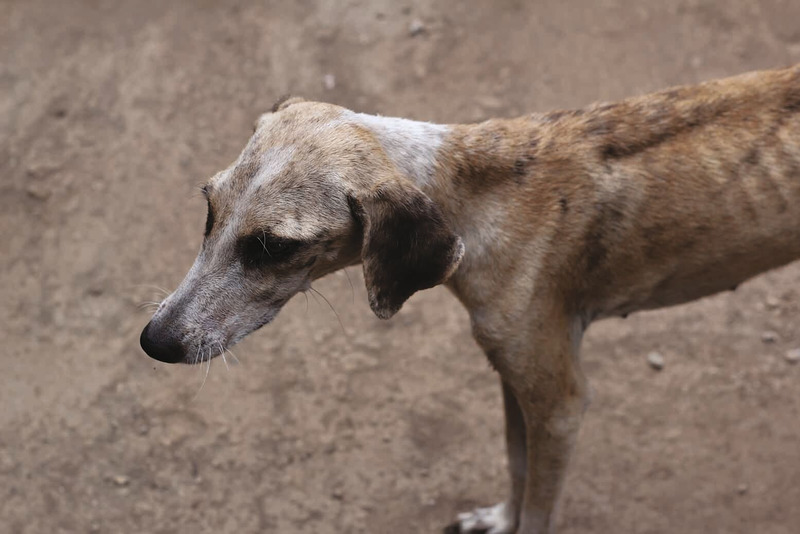
Arthritis creates a vicious cycle: joint pain makes the dog want to move less, moving less leads to weight gain, and that extra weight puts even more agonizing pressure on the bad joints. Additionally, because they are using their painful legs less, you might notice their leg muscles starting to shrink (muscle atrophy), making their legs look noticeably thinner.
6. Lagging Behind on Walks
Remember when your dog used to pull you down the street? If they are now constantly lagging behind, stopping to sit frequently, or wanting to turn back home after just a few minutes, their joints are screaming. Forced exercise can actually make the inflammation worse.
7. Difficulty Finding a Comfortable Sleeping Position
An arthritic dog often struggles to get comfortable. You might see them pacing at night, circling their bed repeatedly, or getting up and lying down several times in a row with a heavy sigh. The hard floor becomes their enemy, and standard flat beds no longer provide the support their aching bones need.

What Should You Do Next?
If you nodded your head to one or more of these signs, please schedule a visit with your veterinarian. While arthritis cannot be cured, it can be successfully managed with the right medication, joint supplements, and lifestyle adjustments.
Start by modifying their environment today. Providing mobility aids like orthopedic beds, ramps, or specialized strollers can immediately take the pressure off their joints and bring the light back into their eyes.

Bol Dang is a lifelong pet lover and the founder of Silver Whiskers Care. After navigating the challenges of caring for his own aging dogs, he dedicated this platform to sharing practical, research-backed advice to help other pet parents improve their senior companions’ quality of life. His mission is to ensure every “silver whisker” spends their golden years in comfort and joy.