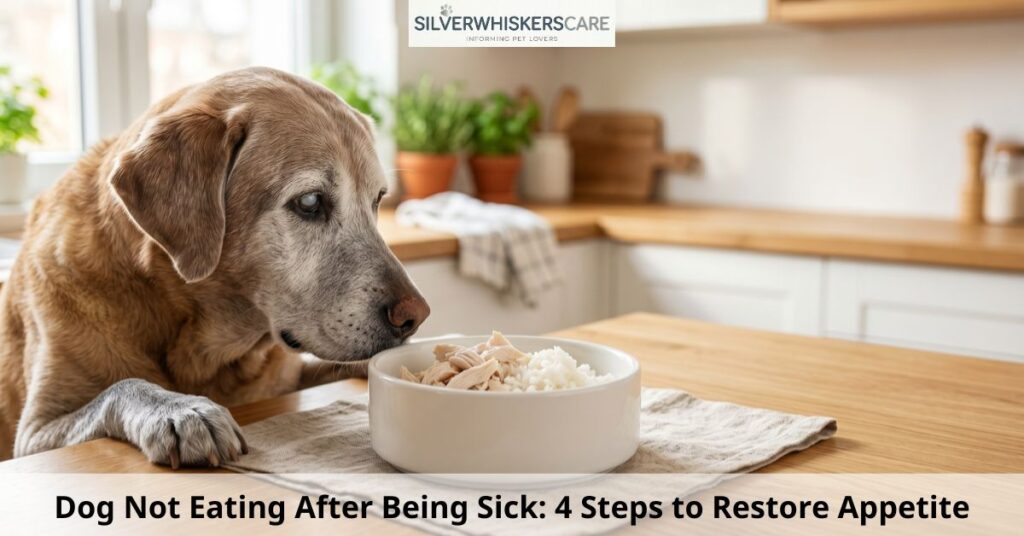
It is a common and stressful situation for any pet parent: the vomiting or diarrhea has finally stopped, but your dog is still not eating after being sick. While your first instinct might be to worry, understanding the biological and psychological reasons behind this “post-illness fast” is the first step toward a successful recovery.
In this guide, we will break down why dogs refuse food after an illness, the critical “24-hour rule,” and vet-approved steps to safely rebuild their appetite.
Contents
Why Is Your Dog Not Eating After Being Sick?
According to veterinary experts at PetMD, a dog’s refusal to eat following an illness is rarely about being “picky.” Instead, it is usually driven by two main factors:
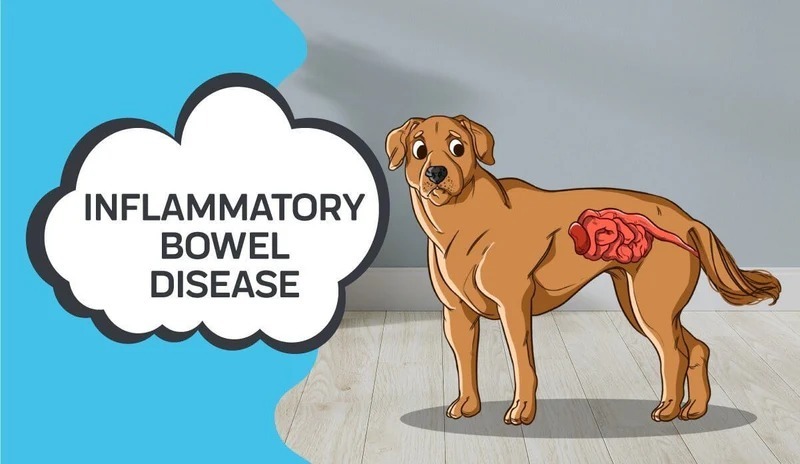
1. Gastrointestinal Inflammation
Even after the primary cause of sickness (like a virus or dietary indiscretion) is gone, the stomach lining remains sensitive and inflamed. For a senior dog, this recovery period is longer. Digesting solid food requires metabolic energy that their body is currently directing toward healing.
2. Psychological Food Aversion
As highlighted by many owners in the DogTraining community, dogs often develop a temporary “food aversion.” If they felt nauseous while eating their regular kibble, their brain now associates that specific smell or bowl with feeling sick. They aren’t just “not hungry”—they are actively avoiding what they perceive as the cause of their pain.
The YMYL Safety Check: The 24-Hour Rule
When a dog is not eating after being sick, timing is everything. Here is the medical standard for when “waiting it out” becomes a “veterinary emergency”:
- For Healthy Adults: It is generally safe to wait 24 hours for their appetite to return, provided they are still drinking water and are not lethargic.
- For Senior Dogs (Silver Whiskers): Because senior dogs have less physical reserve, you should contact your vet if they refuse food for more than 12–18 hours, especially if they have underlying conditions like kidney disease or diabetes.
- The Red Flags: If the refusal to eat is accompanied by pale gums, extreme weakness, or a refusal to drink water, seek emergency care immediately.
3 Vet-Approved Steps to Encourage Eating
Once your vet has confirmed it is safe to offer food, follow this recovery protocol to support their sensitive stomach:
1. The 12-Hour Fasting “Reset”
Sometimes, the best way to treat a dog not eating after being sick is to give the GI tract a total break. A 12-hour fast (no food, only small sips of water) allows inflammation to subside before you introduce a recovery meal.
2. Transition to a Bland Diet
Do not jump back to dry kibble. The gold standard for recovery is a Bland Diet:
- The Mix: 75% boiled white rice and 25% boiled, skinless, unseasoned chicken breast.
- The Logic: White rice is a binder that is easy on the gut, and lean chicken provides necessary protein without the fats that trigger nausea.
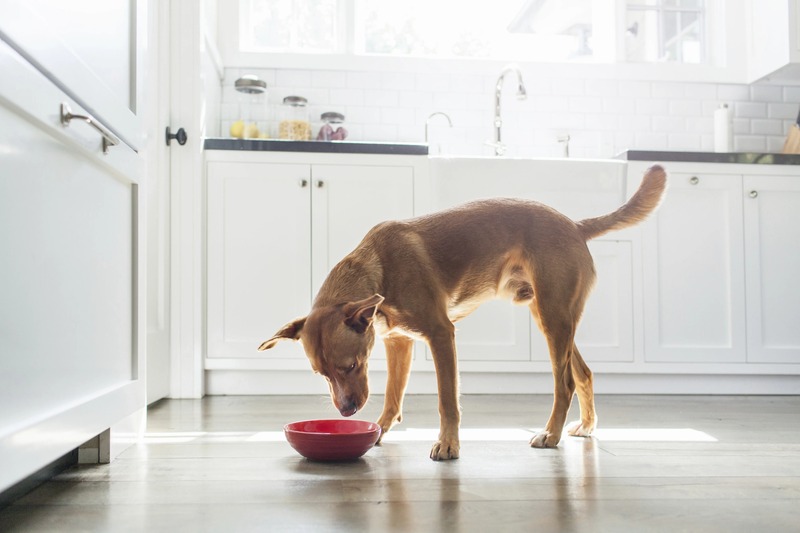
3. Implement “Micro-Meals”
Instead of two large meals, offer one or two tablespoons of the bland diet every 3 to 4 hours. Small portions prevent the stomach from over-stretching and reduce the likelihood of a relapse.
Summary for Pet Parents
Recovery takes patience. If your dog is not eating after being sick, prioritize hydration and bland options. However, never ignore a complete fast that lasts longer than 24 hours. Your senior dog’s health depends on a proactive approach to post-illness nutrition.
Frequently Asked Questions About Post-Illness Recovery
How long can a dog go without eating after being sick?
A healthy adult dog can safely go 24 hours without eating after an illness, as long as they are drinking water. However, for a senior dog, you should consult your veterinarian if they refuse food for more than 12 to 18 hours to prevent dehydration and weakness.
Should I force my dog to eat after vomiting?
No, you should never force-feed a dog recovering from vomiting or diarrhea. Their stomach needs time to heal from gastrointestinal inflammation. Forcing food can trigger a relapse and cause them to vomit again.
What is the best food for a dog not eating after being sick?
The safest recovery meal is a “bland diet” consisting of 75% boiled white rice and 25% plain, boiled, skinless chicken breast. Offer this in very small micro-meals every few hours rather than one large bowl.
Why is my dog acting hungry but won’t eat their food?
This is often due to “food aversion.” If your dog ate their regular kibble right before getting sick, they may now associate that specific food with feeling nauseous. Temporarily switching to a bland diet can help break this negative association.
Read more:
- Senior Dog Throwing Up Yellow Bile: Causes, Home Care & When to Worry
- Elderly Dog Vomiting After Eating? Causes, Red Flags & What to Do
- Dog Won’t Eat When It’s Hot? 3 Summer Red Flags to Watch
- Dog Is Not Eating Anything What To Do, 3 Emergency Red Flags

Bol Dang is a lifelong pet lover and the founder of Silver Whiskers Care. After navigating the challenges of caring for his own aging dogs, he dedicated this platform to sharing practical, research-backed advice to help other pet parents improve their senior companions’ quality of life. His mission is to ensure every “silver whisker” spends their golden years in comfort and joy.