
Waking up to a puddle of urine on the floor (or worse, in your dog’s bed) is incredibly frustrating. If your perfectly house-trained older dog peeing in house at night, it is easy to feel overwhelmed.
First, take a deep breath. Your senior dog has not forgotten their training, and they are definitely not doing this out of spite. In senior dogs, nighttime house soiling is almost always a symptom of an underlying medical condition, cognitive decline, or physical pain.
In this guide, we will explore the 5 most common reasons your older dog is suddenly having accidents while they sleep, and what you can do to keep your home clean and your old friend comfortable.
- Nighttime accidents in senior dogs are usually medical, not behavioral. Do not punish them.
- Urinary incontinence (a weakened bladder sphincter) is the #1 cause, especially in spayed female dogs.
- Increased thirst from conditions like Diabetes or Kidney Disease leads to an overflowing bladder at night.
- Mobility issues (arthritis) may make it too painful for them to get up and go outside in the cold night air.
- Consult your vet for a urinalysis before trying over-the-counter supplements.
Contents
5 Reasons Your Older Dog is Peeing at Night
To stop the nighttime accidents, you first have to identify the root cause. Here is what top veterinarians look for when a senior dog starts peeing inside.
1. Age-Related Urinary Incontinence (Weak Sphincter)
This is the most common cause, particularly in spayed female senior dogs (often called spay incontinence). As dogs age, the muscles that control the urethral sphincter can weaken due to a drop in estrogen or testosterone.
- The subtle sign: They aren’t squatting to pee. Instead, urine simply leaks out while they are completely relaxed and in a deep sleep, leaving a wet spot on their bed.
2. Urinary Tract Infections (UTIs)
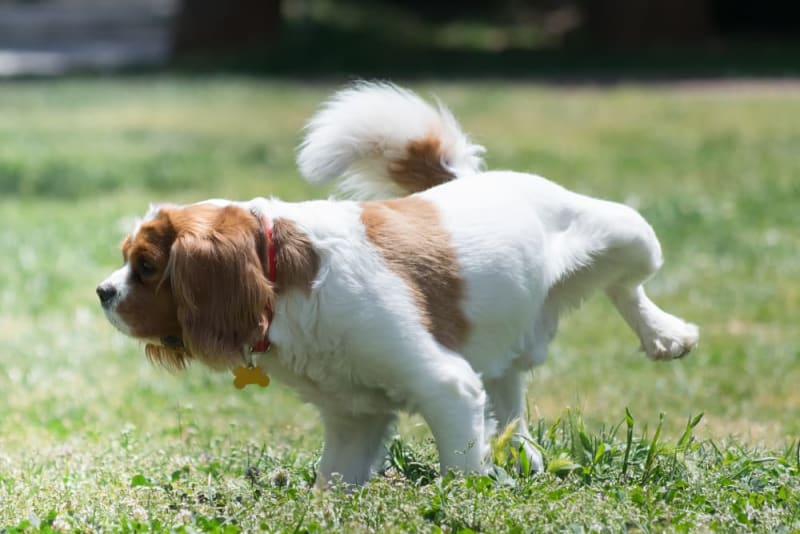
A UTI causes an intense, sudden, and uncontrollable urge to urinate. If your dog has a UTI, their bladder is inflamed. They may only pee a few drops at a time, but they have to do it constantly.
- The subtle sign: You might notice them licking their genital area excessively, or the urine may have a very strong, foul odor.
3. Diseases That Cause Increased Thirst (Kidney Disease, Diabetes, Cushing’s)
If your senior dog is suddenly drinking entire bowls of water in one sitting, that water has to go somewhere. Conditions like Chronic Kidney Disease, Diabetes, and Cushing’s Disease disrupt the body’s ability to concentrate urine. Their bladder simply fills up faster than they can hold it overnight.
4. Severe Arthritis and Mobility Issues
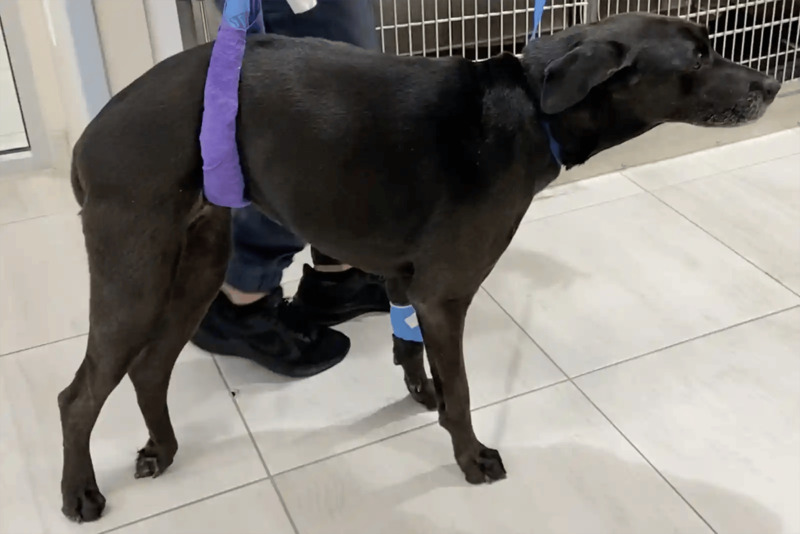
Sometimes, the issue isn’t the bladder at all; it’s the joints. If your dog suffers from severe osteoarthritis, the effort required to stand up from a cozy bed and walk outside in the dark is simply too painful. They might hold it as long as they can, but eventually, the bladder wins.
5. Canine Cognitive Dysfunction (Dog Dementia)
Dog dementia disrupts a dog’s memory and sleep-wake cycle. A dog with advanced cognitive dysfunction might literally forget their house-training, or they might wake up in the middle of the night, feel confused, and pee on the floor because they forgot how to signal to you that they need to go out.
How to Manage Nighttime Accidents (And Save Your Floors)
While you are working with your vet to diagnose the medical cause, you need practical solutions to manage the mess right now.
- Schedule a Vet Visit First: Your vet will run a simple urinalysis and blood panel. Conditions like UTIs require antibiotics, while incontinence can often be completely cured with a daily medication like Proin (phenylpropanolamine) or estrogen therapy.
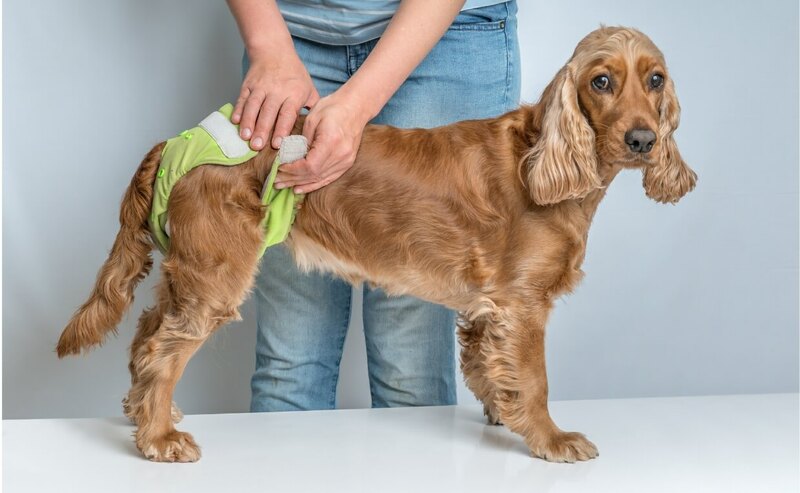
- Use Doggie Diapers or Belly Bands: For leaking in their sleep, high-quality, washable dog diapers (for females) or belly bands (for males) are lifesavers. Pro tip: Always use a dog-safe wet wipe to clean their skin in the morning to prevent urine scald (rashes).
- Invest in Waterproof Bed Covers: Buy a premium orthopedic dog bed with a waterproof internal liner. You can simply toss the outer cover in the washing machine rather than replacing a ruined foam mattress.
- The Late-Night Potty Break: Shift their routine. Take them out immediately before you go to sleep, and consider setting an alarm halfway through the night to give them one extra chance to empty their bladder.
- Never Limit Water (Without Vet Approval): It is tempting to take their water bowl away at 6 PM, but if they have kidney disease or diabetes, restricting water can cause life-threatening dehydration. Always leave fresh water available.
Conclusion: Lead with Compassion
Finding out your older dog is peeing in the house at night is stressful, but it is deeply embarrassing and distressing for your house-trained dog, too. Never yell or rub their nose in it. Approach the situation with compassion, grab the enzymatic cleaner, and call your vet to get your best friend the help they need.
🔗 Related: Is your dog also struggling to stand up from their wet bed in the morning? Joint pain might be the culprit. Read our guide: Old Dog Can’t Get Up? 5 Hidden Causes & Solutions

Bol Dang is a lifelong pet lover and the founder of Silver Whiskers Care. After navigating the challenges of caring for his own aging dogs, he dedicated this platform to sharing practical, research-backed advice to help other pet parents improve their senior companions’ quality of life. His mission is to ensure every “silver whisker” spends their golden years in comfort and joy.