
Note: This article is for informational purposes only. If your senior dog is experiencing sudden, severe diarrhea, bloody stools, or extreme distress, please consult your veterinarian immediately.
Cleaning up dog mess at 3 AM is exhausting, and if you are dealing with a senior dog waking up in middle of night to poop, you are likely running out of patience and sleep. It is incredibly frustrating to step into a smelly surprise in the hallway or wake up to the sound of whining because they urgently need to go out.
First, take a deep breath. It is crucial to remember that your older dog is not doing this out of spite or bad behavior. When a previously house-trained senior dog suddenly starts having nighttime bowel movements, it is almost always due to physical changes, slowed digestion, or cognitive decline.
Let’s break down exactly why your older dog is suddenly pooping in the house at night and the practical, actionable steps you can take to stop it.
Why is My Older Dog Pooping at Night?
As dogs age, their bodies process food differently, and their muscle control weakens. Here are the four most common culprits behind these midnight messes:
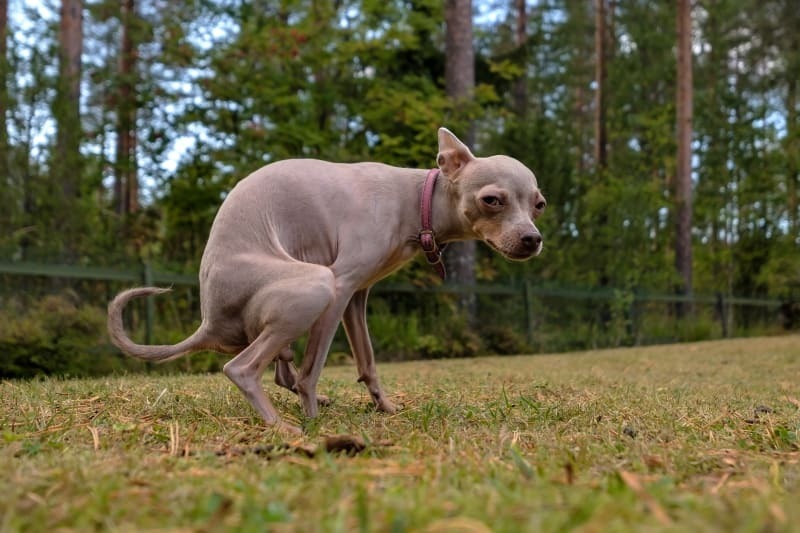
1. Weakening Sphincter Muscles (Bowel Incontinence)
Just like human muscles lose tone with age, a senior dog’s anal sphincter muscles can weaken. They simply may not have the physical strength to hold their bowels for 8 to 10 hours overnight anymore. Often, the dog might not even realize they are pooping until it happens.
2. Late Feeding Times & Slower Digestion
An older dog’s metabolism slows down significantly. If you are feeding them dinner at 7 PM or 8 PM, their digestive tract might not be ready to pass that food until 2 AM or 3 AM. A schedule that worked perfectly when they were three years old may no longer work when they are thirteen.
3. Canine Cognitive Dysfunction (Dog Dementia)
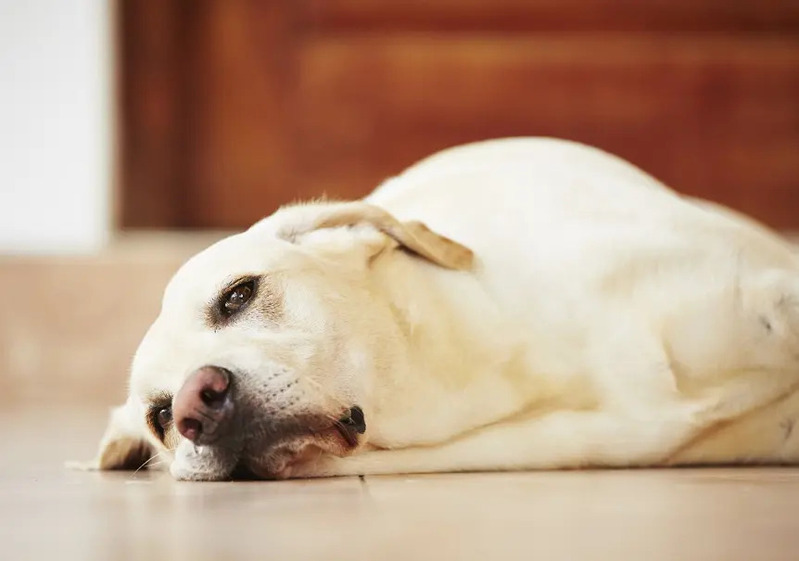
Dog dementia (CCD) causes severe confusion and memory loss. A senior dog with dementia might wake up in the middle of the night, forget their house-training rules, or simply not know how to signal to you that they need to go outside.
4. Gastrointestinal Upset
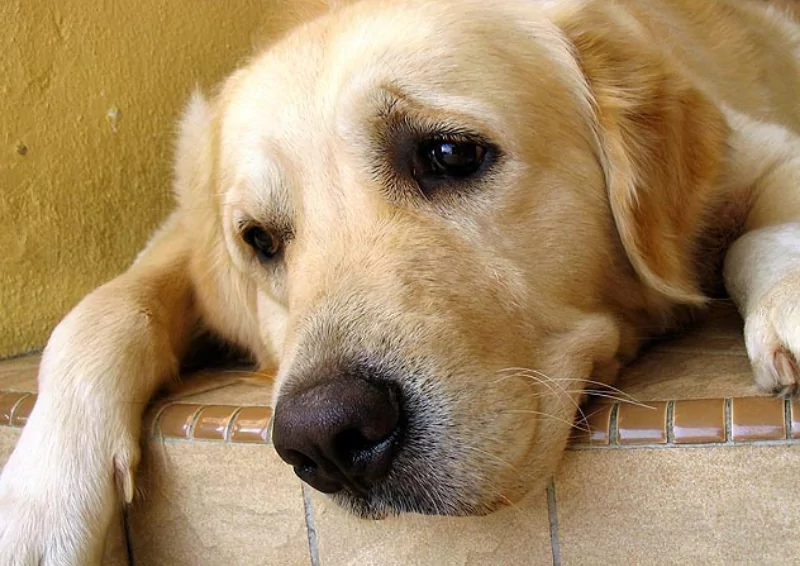
A sudden change in diet, sneaking human food, or age-related sensitive stomachs can lead to a bout of diarrhea or loose stools. If the urgency is sudden and the stool is unformed, an upset stomach is likely the cause.
Actionable Home Fixes to Stop Nighttime Pooping
You do not have to accept midnight clean-ups as your new normal. Here are the most effective ways to adjust your senior dog’s routine and protect your floors:
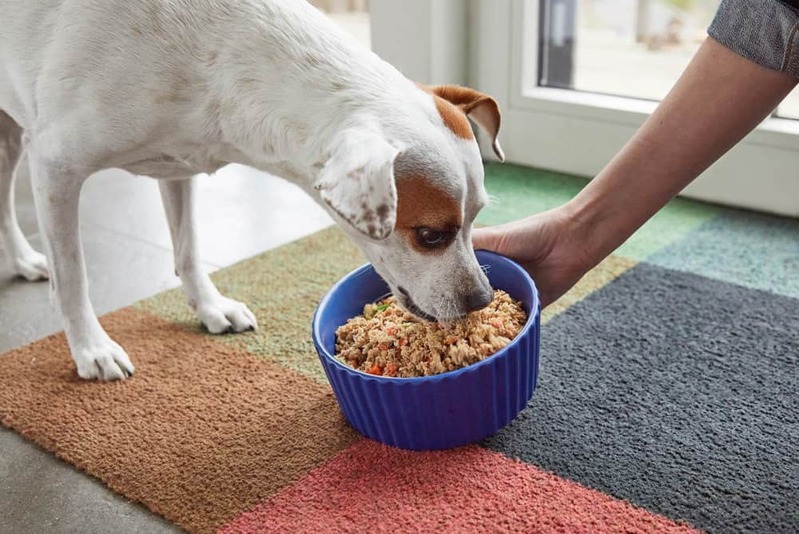
1. Shift the Dinner Time Earlier
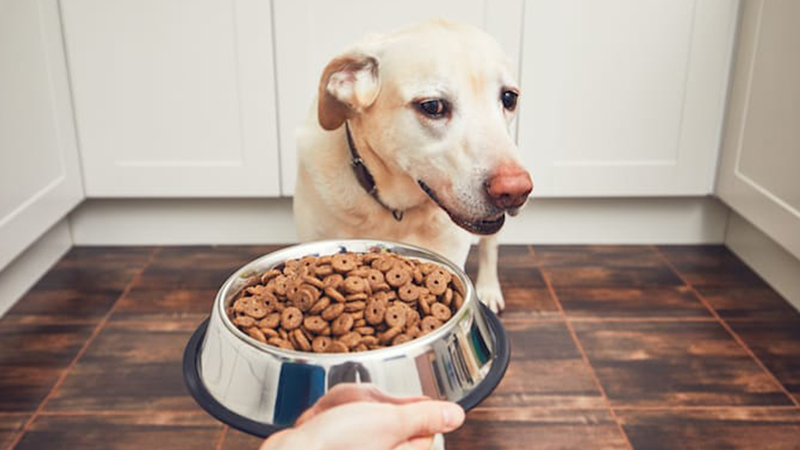
This is the easiest and most effective fix. Move your dog’s final meal of the day to 4:00 PM or 5:00 PM. This gives their aging digestive system plenty of time to process the food so they can empty their bowels completely before you go to bed.
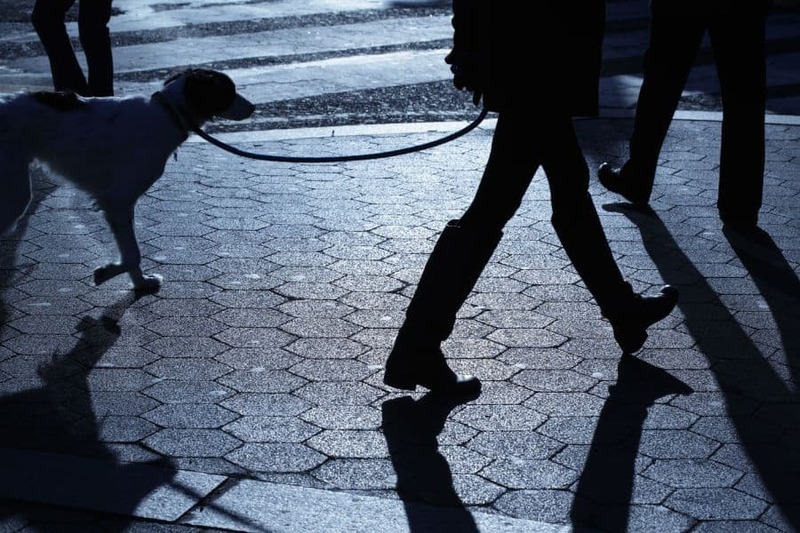
2. Enforce a Final, Unrushed Late-Night Walk
Right before you turn off the lights for the night, take your dog outside. Do not just let them into the yard; put them on a leash and walk them around to physically stimulate their bowels. Make sure they actually poop before coming back inside.
3. Add Digestive Support (Probiotics & Pumpkin)
https://amzn.to/3NRD3BhIf their stools are soft or unpredictable, their gut flora might need a boost. Adding a vet-approved canine probiotic or a spoonful of plain, unsweetened canned pumpkin (which is packed with regulating fiber) to their food can firm up their stools and make their potty times more predictable.
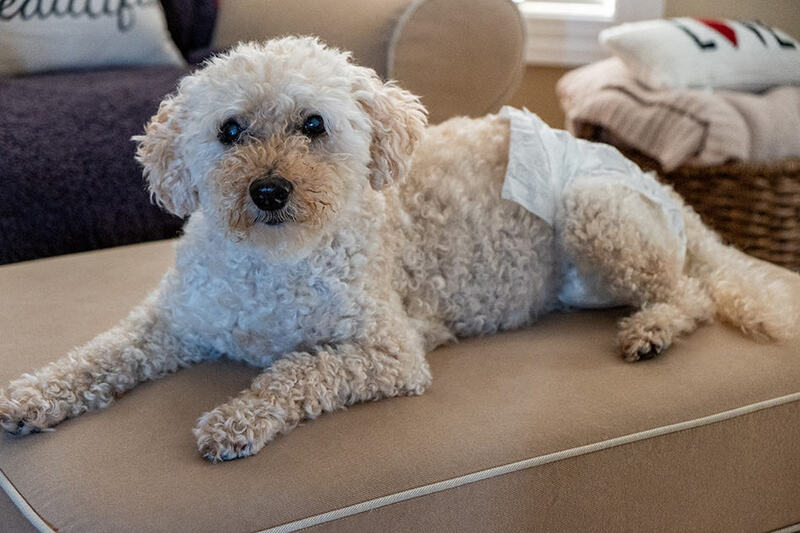
4. Manage with Senior Dog Diapers
If the issue is purely age-related incontinence and schedule changes do not work, it is time to use management tools. Washable or disposable dog diapers (specifically designed with tail holes) or laying down extra pee pads near their bed can save your floors and your sanity while keeping your dog comfortable.
When to Call the Vet
If adjusting their feeding schedule doesn’t resolve the issue within a few days, a vet visit is necessary. You should also contact your vet immediately if the nighttime pooping is accompanied by vomiting, lethargy, blood in the stool, or signs of pain.
With a little schedule tweaking and a lot of patience, you can get your floors clean and your sleep schedule back on track.

Hung is a lifelong pet lover and the founder of Silver Whiskers Care. After navigating the challenges of caring for his own aging dogs, he dedicated this platform to sharing practical, research-backed advice to help other pet parents improve their senior companions’ quality of life. His mission is to ensure every “silver whisker” spends their golden years in comfort and joy.