
Note: This article is for informational purposes. If your senior pet shows sudden, drastic changes in behavior, please consult your veterinarian.
It starts with a soft whimper, a pacing sound on the hardwood floor, or a wet nose nudging your hand at 2:00 AM. I know this sound all too well. A few years ago, my usually heavy-sleeping senior dog started waking up at the exact same time every single night, pacing the hallway. At first, I was just exhausted. Then, I became deeply worried. You look at your senior companion, wondering what happened to the dog that used to sleep soundly for ten hours straight. If your older dog is waking up in the middle of the night, you aren’t alone. Sleep disturbances are one of the most common challenges faced by senior pet parents.
If your older dog is waking up in the middle of the night, you aren’t alone. Sleep disturbances are one of the most common challenges faced by senior pet parents. While it can be frustrating and exhausting, it is often your dog’s only way of telling you that something in their body or mind has changed.
Understanding the “why” is the first step to getting both of you back to a restful night’s sleep. Here are the 5 most common reasons and practical ways to help.
1. Chronic Pain and Discomfort (Arthritis)
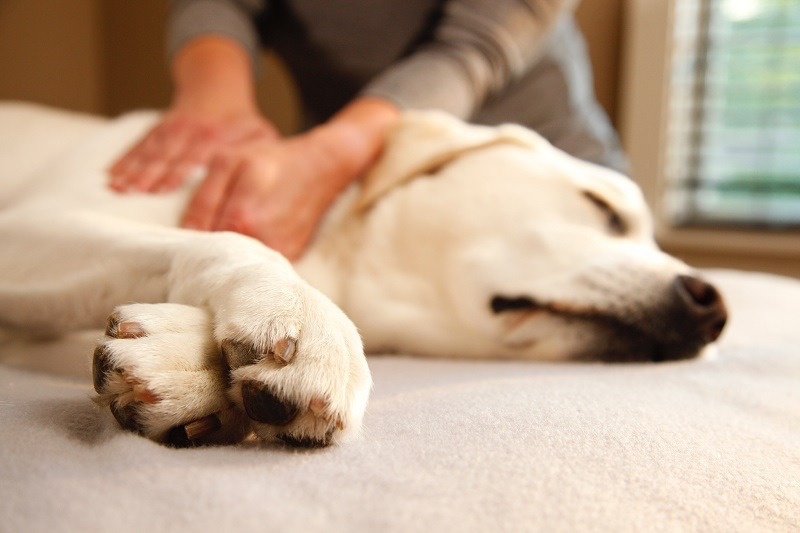
The most frequent culprit for nighttime waking is physical pain. When a dog lies still for hours, their joints can stiffen up. If they have arthritis, finding a comfortable position becomes a struggle. They may wake up, pace to “work out” the stiffness, or whine because they can’t get comfortable again.
- How to help: Ensure they have a high-quality orthopedic bed that supports their joints. If they are pacing on slippery floors, consider non-slip rugs to help them move without fear of falling.
If your dog sleeps with you, installing non-slip pet ramps for high beds ensures they won’t injure themselves trying to jump down in the dark.
2. Canine Cognitive Dysfunction (Dog Dementia)
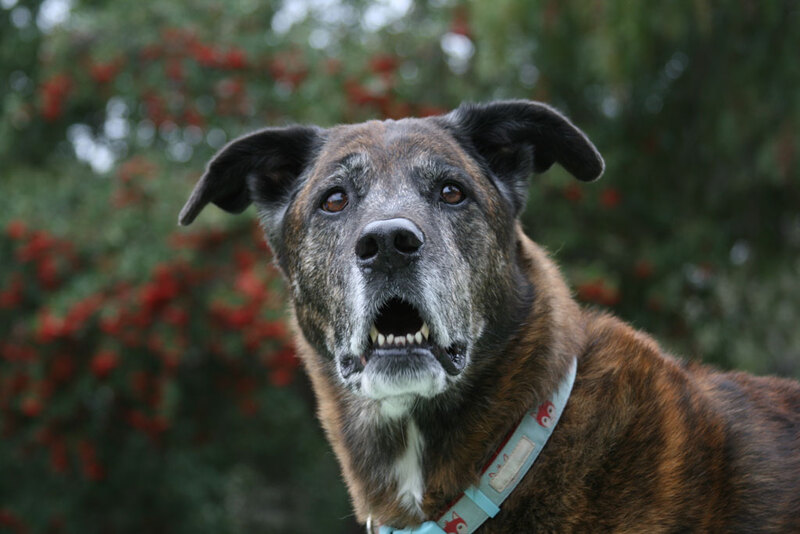
Just like humans, dogs can suffer from age-related cognitive decline. This often leads to “sundowning,” where the dog becomes confused, anxious, or disoriented as night falls. They may wake up in the middle of the night and forget where they are or feel a sudden sense of panic.
- Signs to watch for: Staring blankly at walls, getting stuck in corners, or appearing “lost” in their own home.
- How to help: Keep a consistent nighttime routine to provide a sense of security. Nightlights can also help reduce disorientation in a dark room.
3. Increased Need to Eliminate
As dogs age, their bladder capacity decreases, and their muscle tone weakens. Kidney issues or diabetes—common in seniors—can also increase thirst and the frequency of urination. If your dog is waking up and heading straight for the door, they likely just can’t “hold it” anymore.
- How to help: Schedule a final bathroom break as late as possible before you go to bed. Avoid large amounts of water right before sleep, but never restrict water entirely without vet advice.
4. Vision or Hearing Loss
When a dog loses their primary senses, the world becomes a scarier place—especially in the dark. A sudden noise they can’t identify or the inability to see their surroundings can trigger a middle-of-the-night anxiety attack, causing them to seek out your presence for comfort.
- How to help: Try leaving a radio on low volume with white noise or soft classical music to mask startling sounds. Keeping a dim lamp on can help a dog with failing vision navigate more safely.

5. Anxiety and Restlessness
Senior dogs often become more “clingy” or prone to separation anxiety. The quiet, dark house can feel isolating. If your dog wakes up and immediately looks for you, they are likely seeking the reassurance that they aren’t alone.
- How to help: If possible, let your dog sleep in your bedroom on their own bed. Just being in the same room and smelling your scent can drastically reduce nighttime anxiety.

When Should You See a Vet?
While some restlessness is a natural part of aging, you should schedule a checkup if:
- The waking started suddenly and is getting worse.
- Your dog seems in significant distress or cannot be settled.
- There are changes in appetite or increased accidents in the house.
Frequently Asked Questions (FAQs)
Should I ignore my older dog crying at night?
No, you should not ignore a senior dog crying or pacing at night. Unlike a puppy who might just be seeking attention, an older dog is usually experiencing physical pain (like arthritis), cognitive confusion (dementia), or an urgent need to relieve their bladder. Ignoring them can increase their anxiety and distress.
Do senior dogs need to pee more at night?
Yes, it is very common. As dogs age, their bladder muscles weaken, and their capacity shrinks. Medical conditions prevalent in senior dogs, such as kidney disease, urinary tract infections, or diabetes, can also cause them to drink more water and need to urinate more frequently, especially during the night.
Can I give my senior dog melatonin to help them sleep?
Melatonin is often used to help regulate sleep cycles in senior dogs, particularly those suffering from Canine Cognitive Dysfunction (dementia). However, you must always consult your veterinarian before giving your dog melatonin or any over-the-counter sleep aids to ensure the correct dosage and to avoid negative interactions with their current medications.
Final Thoughts
Your senior dog isn’t trying to be difficult; they are navigating a changing world in a changing body. With a little patience, a few environmental tweaks, and perhaps a late-night snuggle, you can help your old friend find peace in the quiet hours of the night once again.

Hung is a lifelong pet lover and the founder of Silver Whiskers Care. After navigating the challenges of caring for his own aging dogs, he dedicated this platform to sharing practical, research-backed advice to help other pet parents improve their senior companions’ quality of life. His mission is to ensure every “silver whisker” spends their golden years in comfort and joy.