
Affiliate Disclosure: Silver Whiskers Care is a participant in the Amazon Services LLC Associates Program. As an Amazon Associate, we earn from qualifying purchases at no extra cost to you. We only recommend products we genuinely believe in.
As our dogs enter their golden years, those miles-long hikes and aggressive games of fetch in the park naturally become things of the past. However, keeping them entertained is easier than you think. If you want to keep their minds sharp without straining their joints, playing fun indoor games for senior dogs is the ultimate solution. Joint degradation, arthritis, and general muscle weakness mean their bodies simply can’t handle high-impact activities anymore.
But here is a crucial secret to senior dog care: a slowing body does not mean a slowing mind. Mental stimulation is just as exhausting and fulfilling for a dog as physical exercise. Keeping your arthritic or mobility-impaired dog engaged prevents canine cognitive dysfunction (doggy dementia) and fights off depression. If your dog is stuck inside, here are 7 fun, low-impact indoor games for senior dogs to keep their tails wagging.
Author’s Note: When my own senior dog’s arthritis flared up during the winter, I felt so guilty that we couldn’t go for our usual walks. He looked so bored staring at the wall. That’s when I discovered “nose work.” Seeing his eyes light up when he found a hidden treat made me realize that we didn’t need to run to have fun. We just needed to adapt.
If your dog is stuck inside, here are 7 fun indoor games for senior dogs to keep their tails wagging.
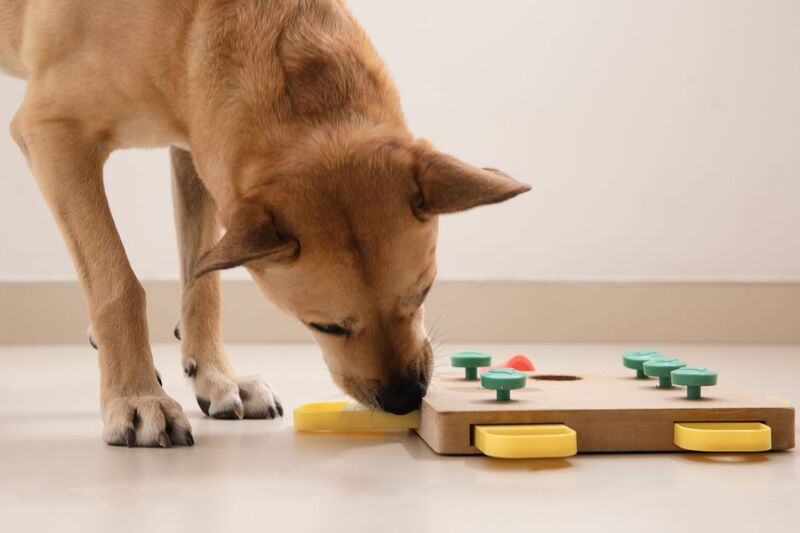
1. The “Find It” Sniffing Game (Nose Work)
A dog’s sense of smell is their superpower, and thankfully, it’s usually the last sense to fade. Start by making your dog sit and stay (or just rest on their bed). Hide a strong-smelling treat—like a tiny piece of cheese or a specialized dog training treat—somewhere in the room while they watch. Then, say “Find it!” Once they understand the game, you can start hiding treats in more difficult spots, like under a rug corner or behind a door. It engages their brain intensely without requiring them to run.
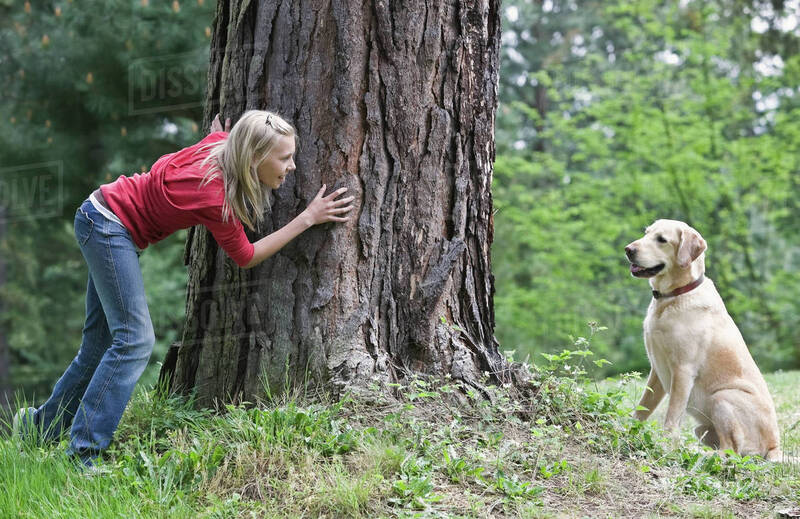
2. Gentle Hide and Seek
You don’t need a massive house for this. Have your dog stay in one room while you walk into another and hide behind a door or a piece of furniture. Call their name enthusiastically. When they waddle over and find you, reward them with massive praise and a small treat. It’s a wonderful way to reinforce your bond and encourage light, purposeful walking.
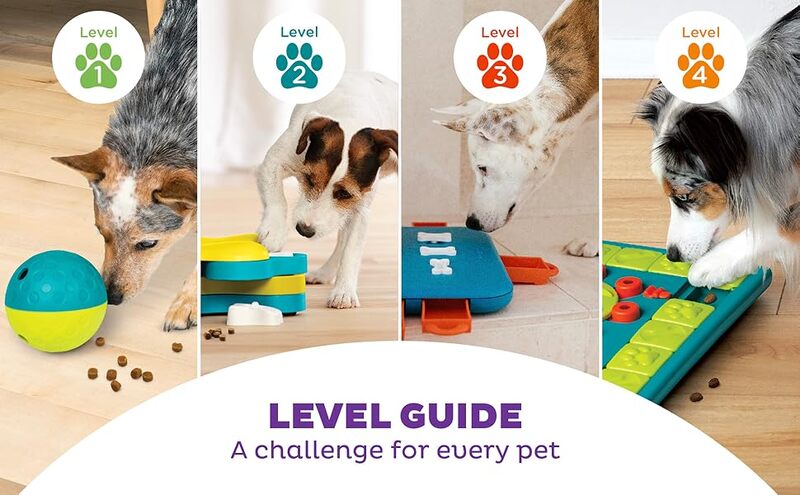
3. Interactive Puzzle Toys
If you haven’t introduced your older dog to puzzle toys yet, you are both missing out! These toys require dogs to slide, lift, or push compartments to reveal hidden kibble. Pro Tip: Look for beginner-level puzzles first so your dog doesn’t get frustrated. This is an excellent activity they can do while lying down on their comfortable orthopedic bed.
4. The “Which Hand” Trick
This is the ultimate low-mobility game. You can play this while your dog is completely laying down. Grab a smelly treat, show it to your dog, and then put your hands behind your back to hide it in one fist. Present both closed fists to your dog and ask, “Which hand?” When they boop the correct hand with their nose or paw, open it and let them have the treat!
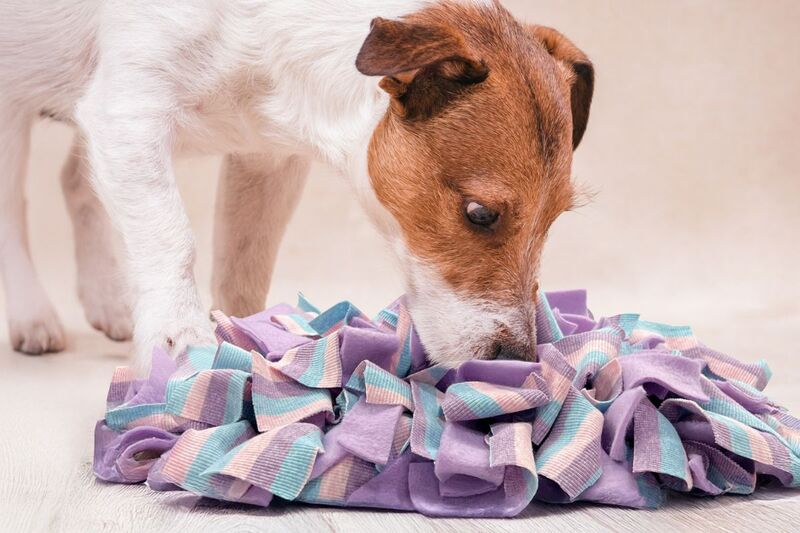
5. Snuffle Mats
A snuffle mat is a fabric mat tied with hundreds of fleece strips that mimic grass. You sprinkle their regular kibble or small treats deep into the fabric, and your dog has to sniff and snuffle around to find their food. It turns a boring 30-second meal into a 15-minute foraging adventure. It’s perfect for dogs with severe arthritis who can’t stand for long periods.
6. Name That Toy
Dogs have the cognitive ability to learn vocabulary. Gather three distinctly different toys (e.g., a ball, a rope, and a plush squirrel). Hold up the plush squirrel, say “Squirrel,” and give them a treat when they touch it. Repeat this over several days. Eventually, you can place all three toys on the floor and ask, “Where is the squirrel?” This mental gymnastics keeps their brain incredibly sharp.
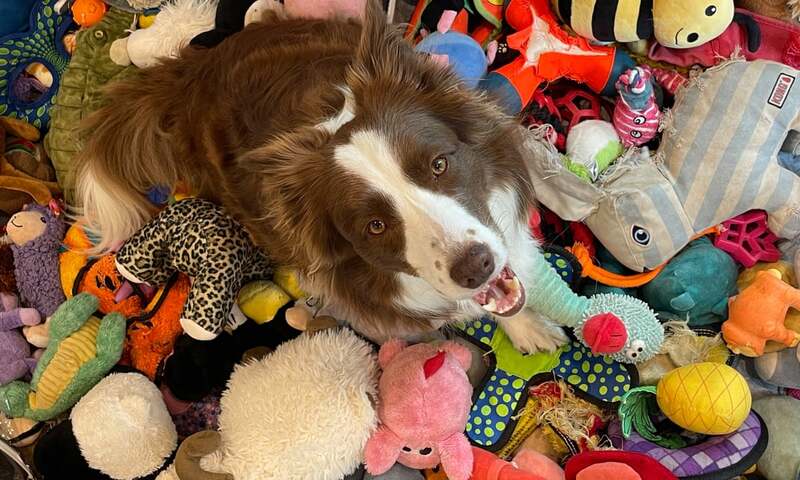
7. The Muffin Tin Game: A Fun Indoor Game for Senior Dogs
Don’t want to buy a puzzle toy? Make one! Take a standard 12-cup baking muffin tin and place a few treats in some of the cups. Then, cover all 12 cups with tennis balls. Your senior dog will have to use their nose and paws to nudge the tennis balls out of the way to uncover the snacks.
⚠️ Crucial Safety Tips for Indoor Play
Before you start playing, always ensure your home environment is safe for a dog with mobility issues:
- Avoid Slippery Floors: Hardwood or tile can cause a disastrous fall. Always play on carpeted areas or use large yoga mats. If your dog struggles with traction, consider getting them non-slip grip socks.
- Keep Sessions Short: 10 to 15 minutes of mental work is exhausting for an old dog. Don’t overdo it.
- Watch for Fatigue: If your dog starts panting heavily or limping, the game is over. Let them rest.
- Support Their Movement: If your dog needs to move between rooms during play, ensure they have proper support.
Final Thoughts
Playing with your senior dog doesn’t have to be a strenuous athletic event. By switching the focus to these fun indoor games for senior dogs, you can continue to build beautiful memories together right in your living room. Grab a treat, hide it, and watch your old friend become a puppy again!
Veterinary Disclaimer: The content on Silver Whiskers Care is for informational and educational purposes only and is not a substitute for professional veterinary advice, diagnosis, or treatment. Always consult your veterinarian before starting any new exercise or activity regimen with your senior pet.
About the Author: Welcome to Silver Whiskers Care! I believe that aging is a privilege, not a punishment for our furry best friends. My mission is to help pet parents navigate the challenges of raising a senior dog. From heavy-duty mobility harnesses to indoor enrichment, I share practical tips and proven remedies to keep your old dog comfortable and happy.

Hung is a lifelong pet lover and the founder of Silver Whiskers Care. After navigating the challenges of caring for his own aging dogs, he dedicated this platform to sharing practical, research-backed advice to help other pet parents improve their senior companions’ quality of life. His mission is to ensure every “silver whisker” spends their golden years in comfort and joy.