
Watching your once-energetic companion hesitate before climbing the stairs or struggle to stand up after a nap is heartbreaking. As our dogs enter their golden years, joint wear and tear is an inevitable part of the aging process. However, a diagnosis of arthritis doesn’t mean their quality of life has to decline.
With a holistic approach combining weight management, scientifically backed supplements, and simple home modifications, you can significantly reduce their pain and improve their mobility. Drawing on insights from leading veterinary institutions like the Cornell University College of Veterinary Medicine and PetMD, we’ve put together the ultimate guide to the best joint care for older dogs.
Understanding Aging Joints: Why is Your Senior Dog Slowing Down?
Just like humans, dogs experience a gradual breakdown of the cartilage that cushions their joints as they age. This condition, known as osteoarthritis, leads to inflammation, stiffness, and chronic pain. You might notice them limping, lagging on walks, or licking their joints constantly.
If you are unsure whether your dog is just “getting old” or actually in pain, read our comprehensive guide on the 7 Early Signs of Arthritis in Dogs You Shouldn’t Ignore
The Foundation: Weight Management & Diet
Before spending money on expensive supplements, you must address the most critical factor in joint health: weight. According to the Cornell University College of Veterinary Medicine, keeping your dog at a lean, healthy weight is the single most effective way to manage orthopedic conditions.
Extra pounds put unnecessary mechanical stress on already painful joints and contribute to systemic inflammation.
- Action Step: Consult your vet about switching to a senior-specific, calorie-controlled diet. Even a weight loss of 6-8% can drastically improve your dog’s mobility and reduce the need for pain medication.
Top Vet-Recommended Joint Supplements
When it comes to joint supplements, the market is flooded with options, but not all are created equal. Based on veterinary consensus, here are the most effective ingredients to look for:
1. Omega-3 Fatty Acids (EPA & DHA)
According to veterinary experts, Omega-3 fatty acids—specifically those derived from marine sources like fish oil—have the strongest scientific evidence for reducing joint inflammation in dogs. They work by altering the production of inflammatory chemicals in the body.
- Top Pick: Look for high-quality, cold-pressed fish oil or chewables specifically dosed for dogs.
- 👉 Best Vet-Recommended Omega-3 Fish Oil for Dogs

2. Glucosamine & Chondroitin
These are the building blocks of healthy cartilage. While they can’t reverse existing damage, experts at PetMD note that Glucosamine and Chondroitin help protect the remaining cartilage and stimulate joint fluid production, providing better lubrication.
- Top Pick: Trusted veterinary brands like Nutramax Cosequin or Dasuquin are considered the gold standard.
- 👉 Buy Cosequin/Dasuquin Joint Supplements on Amazon
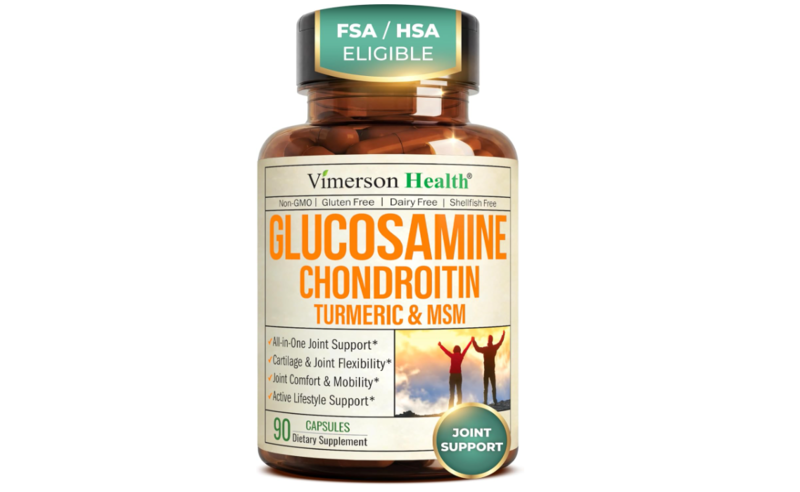
3. Green-Lipped Mussel & MSM
Green-Lipped Mussel (GLM) is a powerful natural anti-inflammatory packed with unique Omega-3s and amino acids. MSM (Methylsulfonylmethane) is a sulfur compound that helps reduce pain and inflammation while supporting the structural integrity of joint tissues.
Environmental Changes & Mobility Aids
Beyond nutrition, modifying your home environment is a crucial aspect of senior dog joint care. The Mission Road Animal Clinic emphasizes that preventing slips and falls is essential for managing joint pain in older dogs.
Orthopedic Beds
A standard dog bed doesn’t provide enough support for arthritic joints. An orthopedic bed made with dense memory foam contours to your dog’s body, relieving pressure points and keeping their spine aligned while they sleep. Heated orthopedic beds can also provide soothing relief for stiff morning joints.
Pet Ramps & Stairs
Jumping onto the couch or leaping out of the car forces aging joints to absorb massive impact. Providing sturdy, non-slip ramps allows your dog to access their favorite spots safely.
- Want to find the perfect ramp? Check out our detailed reviews of the Best Non-Slip Pet Ramps for High Beds to protect your dog’s joints today.
Veterinary Treatments & Alternative Therapies
If diet and supplements aren’t enough, it’s time to seek professional medical intervention. Your veterinarian may prescribe:
- NSAIDs (Non-Steroidal Anti-Inflammatory Drugs): Prescription medications specifically formulated for dogs to manage severe pain and inflammation. Never give your dog human pain relievers like Ibuprofen or Tylenol, as they are highly toxic.
- Alternative Therapies: Many senior dogs respond incredibly well to treatments like Cold Laser Therapy, physical rehabilitation (like underwater treadmills), and veterinary acupuncture to stimulate blood flow and reduce pain naturally.
FAQs About Senior Dog Joint Care
How long does it take for joint supplements to work in dogs? Unlike prescription painkillers, joint supplements are not an overnight fix. It typically takes 4 to 6 weeks of consistent daily use before you notice a visible improvement in your dog’s mobility and energy levels. Consistency is key!
Can I give my older dog human joint supplements? No. While the active ingredients (like Glucosamine) might be similar, human supplements often contain artificial sweeteners (like Xylitol), flavorings, or differing concentrations that can be dangerous or ineffective for dogs. Always choose a product formulated specifically for canines.

Hung is a lifelong pet lover and the founder of Silver Whiskers Care. After navigating the challenges of caring for his own aging dogs, he dedicated this platform to sharing practical, research-backed advice to help other pet parents improve their senior companions’ quality of life. His mission is to ensure every “silver whisker” spends their golden years in comfort and joy.