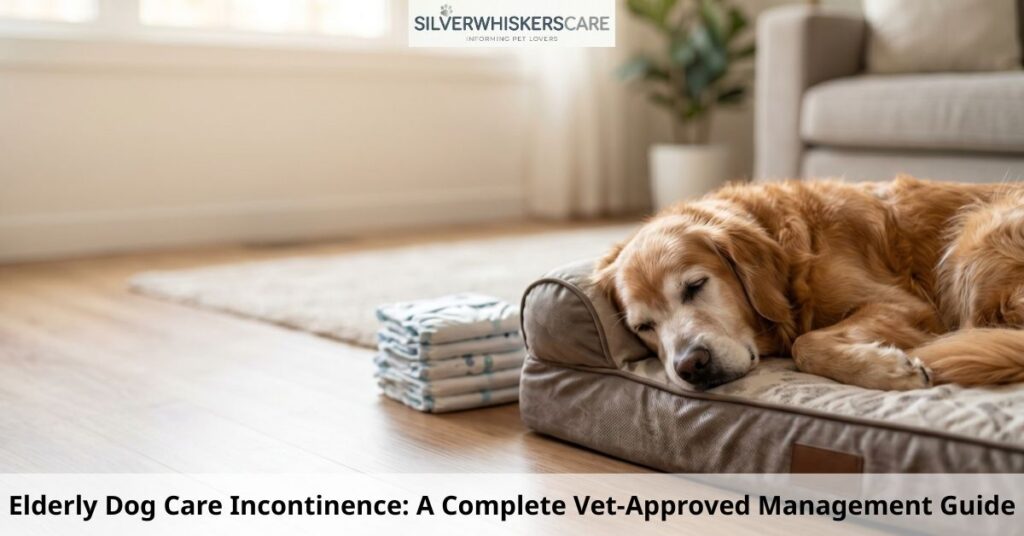
Caring for an older dog is a deeply rewarding experience, but dealing with urinary incontinence can test the patience of even the most dedicated pet parent. If your senior dog has started leaving wet spots on their bed or dribbling urine around the house, it is vital to remember that they are not doing this on purpose.
Effective elderly dog care for incontinence is about balancing veterinary medical treatment with practical, at-home hygiene routines. In this guide, we cut straight to the chase: how to manage the mess, protect your dog’s skin, and keep your home smelling fresh.
Contents
Step 1: The Mandatory Veterinary Assessment
Before buying diapers or changing your home routine, you must visit the vet. Incontinence in elderly dogs is a symptom, not a disease. Your vet needs to rule out Urinary Tract Infections (UTIs), bladder stones, or severe conditions like kidney disease.
If your vet diagnoses USMI (Urethral Sphincter Mechanism Incompetence)—the most common cause of age-related leaking—they can prescribe highly effective medications that strengthen the bladder muscles and often stop the leaking completely.
Step 2: Skin Care & Preventing Urine Scald
The most critical aspect of elderly dog care incontinence is protecting their skin. Urine is highly acidic. When it stays trapped against a dog’s fur and skin, it quickly causes urine scald—a painful, red, and raw chemical burn that easily becomes infected.
Daily Hygiene Routine:
- Wipe Down Frequently: Use unscented, hypoallergenic pet wipes (or a warm, damp washcloth) to clean their hind legs and belly at least twice a day.
- Dry Completely: Never leave the area damp. Pat the fur completely dry with a clean towel.
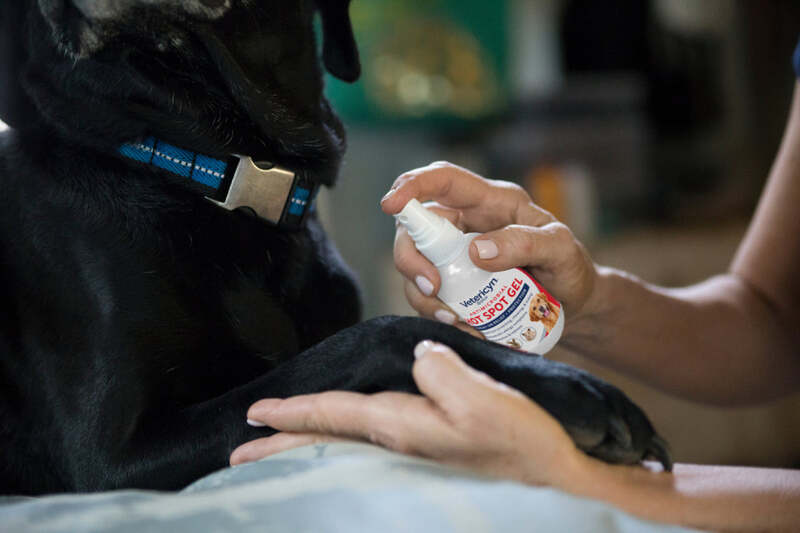
- Apply a Moisture Barrier: Ask your vet for a pet-safe barrier cream (similar to diaper rash cream for babies, but formulated for dogs) to protect the skin from urine exposure.
- Trim the Hair: Keep the fur around their genitals and hind legs trimmed short (“sanitary trim”) to prevent urine from soaking into long hair.
Step 3: Diapers, Belly Bands, and Bedding
You cannot watch your dog 24/7. To protect your floors and furniture, you need the right management tools.
For the Dog: Diapers and Belly Bands
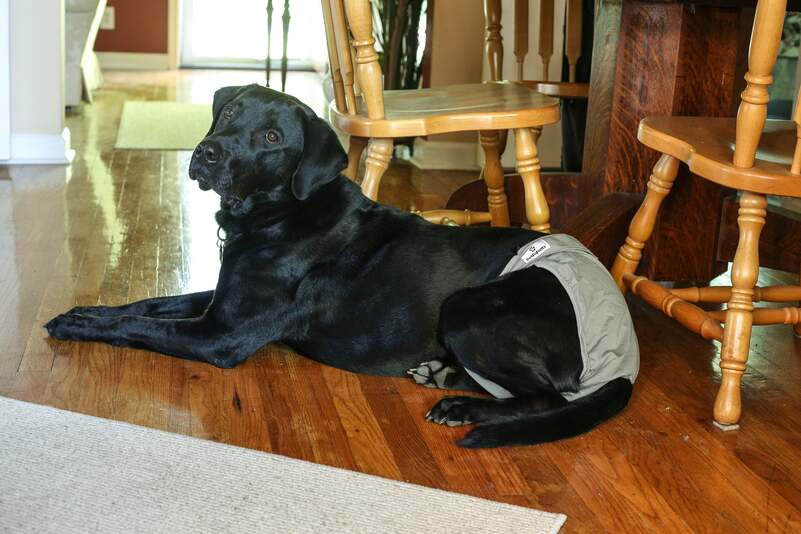
- Female Dogs: Use highly absorbent, washable doggie diapers. Ensure they fit snugly but comfortably around the tail and waist.
- Male Dogs: Use “belly bands” (wraps that go around the dog’s midsection).
- Crucial Rule: You must change these garments the moment they are soiled, just like a baby’s diaper, to prevent bacterial infections. Give your dog “naked time” to let their skin breathe while supervised.
For the Home: Waterproofing
- Orthopedic Waterproof Beds: Senior dogs need orthopedic support for their joints, but memory foam acts like a sponge for urine. Buy a bed with a high-quality internal waterproof liner.
- Washable Pads: Place reusable, waterproof incontinence pads (often sold for human hospital beds) on top of their dog bed or on the couch where they sleep. This makes midnight clean-ups as simple as tossing a pad in the washing machine.
Step 4: Adjusting the Daily Routine
Proper elderly dog care incontinence requires a shift in your daily schedule.
- More Frequent Potty Breaks: Your senior dog can no longer “hold it” for 8 hours. Take them outside immediately after they wake up, shortly after meals, and right before you go to bed.
- The Midnight Break: Consider setting an alarm halfway through the night for a quick bathroom trip.
- Never Limit Water Intake: It is a common myth that restricting water will stop incontinence. Do not do this. Older dogs are prone to kidney issues, and restricting water can lead to severe dehydration and kidney failure. Always leave fresh water accessible.
Conclusion
Managing incontinence is undeniably extra work, but it is a vital part of elderly dog care. With a combination of veterinary medication, excellent hygiene, and the right waterproof gear, you can easily maintain a clean home while keeping your senior best friend comfortable and dignified in their golden years.
Frequently Asked Questions About Senior Dog Incontinence Care
How do you care for an older dog with incontinence?
Caring for an incontinent senior dog involves adjusting their routine for more frequent potty breaks, using management tools like doggie diapers or belly bands, investing in waterproof orthopedic beds, and maintaining strict daily hygiene to prevent urine scald. Always consult a vet for medical treatments.
Should I put my senior dog in diapers for incontinence?
Yes, washable doggie diapers and male belly bands are excellent tools to protect your home. However, they must be changed immediately after they are soiled, and the dog’s skin must be wiped clean daily to prevent painful skin burns and bacterial infections.
Is it safe to restrict an incontinent dog’s water at night?
No, you should never restrict a senior dog’s water intake without explicit veterinary approval. Restricting water can lead to severe and potentially fatal dehydration, especially if the dog is suffering from underlying conditions like kidney disease or diabetes.
🐾 Deep Dive: Understanding Your Senior Dog’s Specific Incontinence
Elderly dog incontinence isn’t a one-size-fits-all issue. To find the best management strategy, it helps to understand exactly how and when your dog is having accidents. Read our specific deep-dive guides below:
- Does it only happen while they sleep? Read: Older Dog Peeing in House at Night? 5 Hidden Causes & Vet-Approved Solutions
- Are they leaving a trail while awake? Read: Dog Dripping Urine While Walking: 4 Causes & Treatments
- Is it a bowel issue instead of bladder? Read: Senior Dog Waking Up in Middle of Night to Poop? Causes & Quick Fixes

Bol Dang is a lifelong pet lover and the founder of Silver Whiskers Care. After navigating the challenges of caring for his own aging dogs, he dedicated this platform to sharing practical, research-backed advice to help other pet parents improve their senior companions’ quality of life. His mission is to ensure every “silver whisker” spends their golden years in comfort and joy.